
Senior pets need a little extra care, especially when it comes to their sleeping habits. I’ve seen firsthand how the right orthopedic pet bed can make a huge difference in both comfort and quality of life for aging cats and dogs. These beds aren’t just about luxury; they’re about giving older animals the support they need for their tired joints and achy muscles. Here’s what you’ll want to know about finding the best orthopedic beds for your furry family members, along with some tips to make sure you make the right choice.
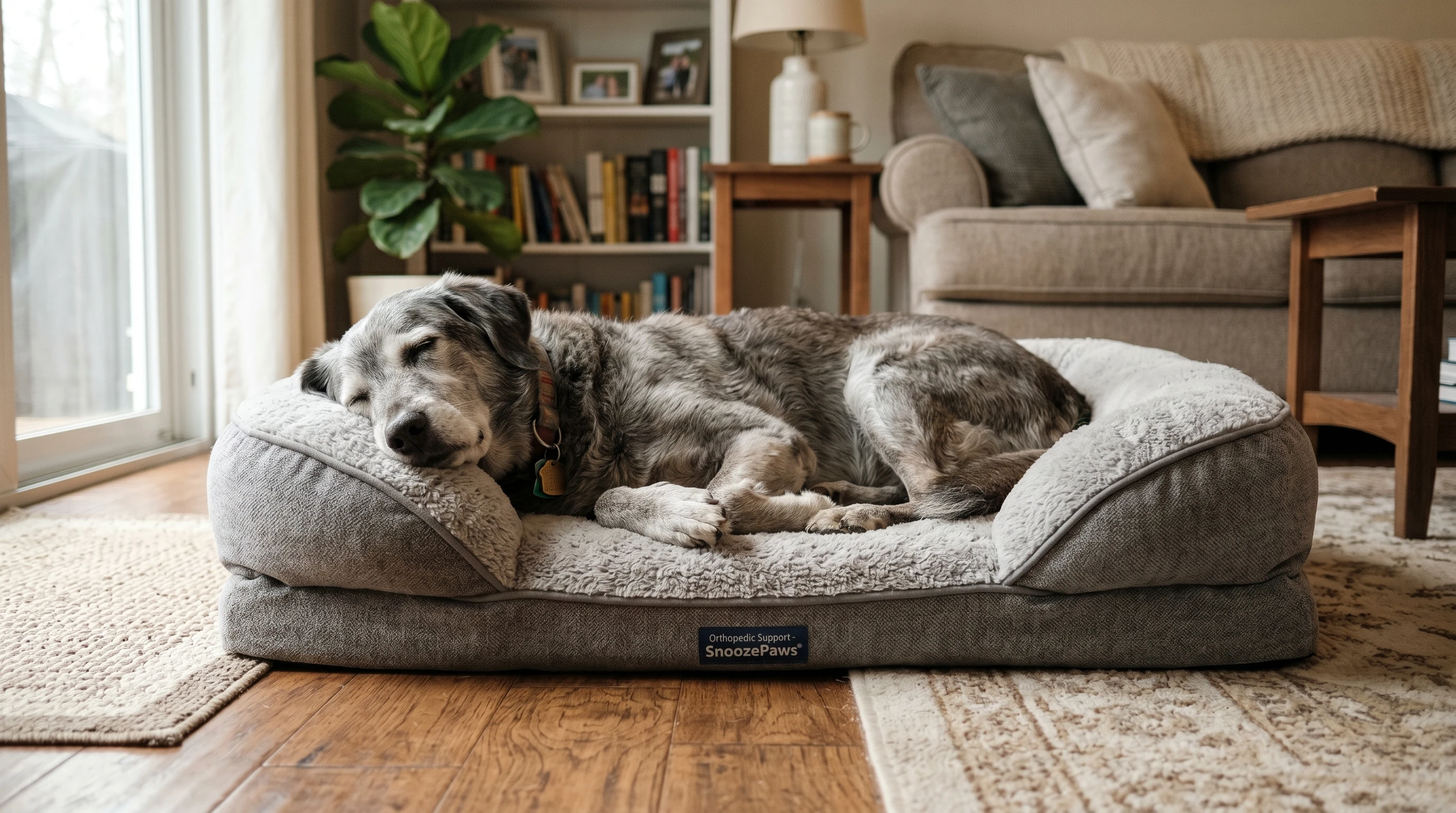
Why Orthopedic Beds Matter for Senior Pets
As pets get older, it’s really common for them to develop joint pain, arthritis, or even just stiffness after naps. Hard floors or flat beds can leave them feeling even more sore. Orthopedic pet beds use special materials like memory foam or high density foam to cushion these pressure points and help keep joints aligned during sleep. This extra support can mean better rest, less soreness, and a happier, more active life for senior dogs and cats.
I’ve watched my own older dog, Luna, struggle to get comfortable on her old beds. After switching to a good orthopedic one, she started moving better in the morning and even wanted to play more. It just proves that the right bed is more than a comfy spot; it can really help with mobility and mood.
Choosing the Right Orthopedic Bed for Your Senior Pet
There’s a lot to think about before clicking “add to cart” on a new pet bed. Here are the main things I always look out for:
- Size and Shape: Beds come in a bunch of different shapes, like rectangular, round, or even couch style. Make sure your pet can fully stretch out. For pets with mobility issues, low or open sides make it easier to get in and out.
- Memory Foam Quality: Not all memory foam is equal. Look for beds with thick, high density foam that retains its shape. Thin layers lose their support quickly and aren’t as helpful for aching joints.
- Waterproof and Washable Covers: Senior pets can have accidents or drool more. A removable, machine washable cover is super handy. Some beds also have waterproof liners between the cover and foam to keep things cleaner.
- Non Skid Bottoms: Slippery floors make it tough for older pets to get up. Beds with grippy bottoms can help avoid accidental slips, especially for bigger dogs who need more stability.
- Bolsters and Support Edges: Some pets love to rest their head or lean against something. Bolster beds are great for these loungers, providing extra neck and back support.
Cool Features Worth Checking Out
While the basics are important, there are a few extra things I’ve noticed that can really make an orthopedic bed stand out:
- Cooling Gel Layers: Some beds have gel infused foam or cooling pads to help regulate temperature. This is great for pets who overheat or live in warmer climates.
- Hypoallergenic Materials: Pets with allergies (and owners, too!) benefit from beds with hypoallergenic covers and fillings. These resist dust mites and other irritants.
- Ecofriendly Options: If sustainability is important to you, several brands use recycled materials or ecofriendly foam.
- Customizable Sizes: Some brands let you pick the foam thickness or bed dimensions for a more tailored fit, especially handy for bigger breeds.
A Quick Guide to Setting Up Your Senior Pet’s New Bed
Getting the most out of an orthopedic bed means more than just placing it anywhere. Here’s how I like to introduce a new bed to my senior pets:
- Pick the Best Spot: Place the bed in a quiet area away from drafts. Older pets chill easily, so avoid cold tile floors or breezy doorways.
- Let Your Pet Explore: Some pets investigate right away, but others might need encouragement. Try placing a favorite blanket or toy on the bed to make it more inviting.
- Monitor for a Few Days: Check on them over the first few days. Sometimes, older pets need gentle direction to try out something new, but most catch on quickly when they realize how comfy it is.
- Keep it Clean: Wash the cover regularly to prevent odors and allergens. For pets with frequent accidents, having a backup cover can be a real timesaver.
Common Challenges and How to Tackle Them
- Reluctance to Switch: Some senior pets are creatures of habit. If your pet is hesitant, praise them whenever they use the new bed and put familiar smelling items on it.
- Chewing or Scratching: Even older pets sometimes chew or scratch their beds. Look for beds made with durable covers, and keep nails trimmed to help prevent tears.
- Finding the Right Height: For pets with arthritis or mobility issues, beds that are too high can be tough. Low profile beds or beds with ramps are easier for them to use.
- Temperature Control: Older pets may get too warm or too chilly. Keep the bed away from direct sunlight, heaters, or air conditioning vents. You can add a cozy blanket in colder months or use cooling pads during the summer.
Memory Foam Durability
A bed is only as good as the foam inside it. Cheap foam can break down fast, so I always check reviews and look for warranties. Some reputable brands offer up to 10year guarantees on the foam, which is pretty reassuring. Beds with thicker layers (about 3-5 inches for large dogs) usually hold up better over time, supporting splayed joints and heavy bodies without flattening out.
Cleaning and Maintenance Tips
Senior pets sometimes have special needs when it comes to cleanliness. Foam should be protected with an internal waterproof liner, and the outer covers should come off easily for frequent washing. Regular vacuuming can help with fur buildup, while spot cleaning helps with small accidents.
Popular Uses and Real-Life Examples
- Sleeping Through the Night: The biggest game changer I’ve seen is how much deeper and longer a senior pet can sleep with proper support. That leads to fewer aches and fewer grumpy moods.
- Easier Recovery: Pets recovering from surgery or injuries benefit a lot from orthopedic beds, which help decrease pressure on healing joints.
- Comfort for All Sizes: From Chihuahuas with patella issues to giant breeds with hip dysplasia, orthopedic beds make a noticeable impact across the board.
Frequently Asked Questions
It’s normal to have questions when searching for a new orthopedic bed for your aging pet. Here are a few I see often:
Question: What’s the difference between an orthopedic bed and a regular pet bed?
Answer: Orthopedic beds use high density foam or memory foam to provide better support. Regular beds usually have basic polyester fill or thin foam, which tends to get lumpy and doesn’t cushion joints as well.
Question: Are orthopedic beds only for dogs?
Answer: Not at all! Older cats can also benefit from orthopedic beds, especially those with arthritis or hip/joint issues. Just pick a smaller size and a style they’ll love.
Question: How do I know what size bed to get?
Answer: Measure your pet from nose to tail while they’re stretched out, then add several inches. This gives them enough space to turn and flop down comfortably. Most brands list helpful sizing charts, too.
Question: My pet has accidents; are these beds easy to clean?
Answer: Most good orthopedic beds have removable, machine washable covers. Some have waterproof liners inside to keep the foam safe. Always check before buying, just to be sure.
Recap and Next Steps
Making your senior pet comfortable doesn’t have to be complicated. High quality orthopedic beds give older dogs and cats the support they need for better rest and less pain. Focusing on features like firm memory foam, washable covers, and nonslip bottoms helps keep things simple and effective. If you’re not sure which one is right, many pet stores let you feel the foam or even let your pet try it instore.
Giving your older pet a soft, supportive place to rest can brighten their golden years. Watching them curl up happily on a comfy bed is a reward all its own.