
Winter is tough on our pets, especially those who spend time in chilly drafty spaces or just love snuggling up somewhere warm. I’ve always found that a heated bed makes a huge difference for my pets once the temperature drops. Giving them a cozy spot isn’t just about comfort. It helps with their health and wellbeing during the colder months. Here’s my all-in-one take on why heated beds for pets in winter are worth looking into, what to consider before you buy, and how to use them safely.
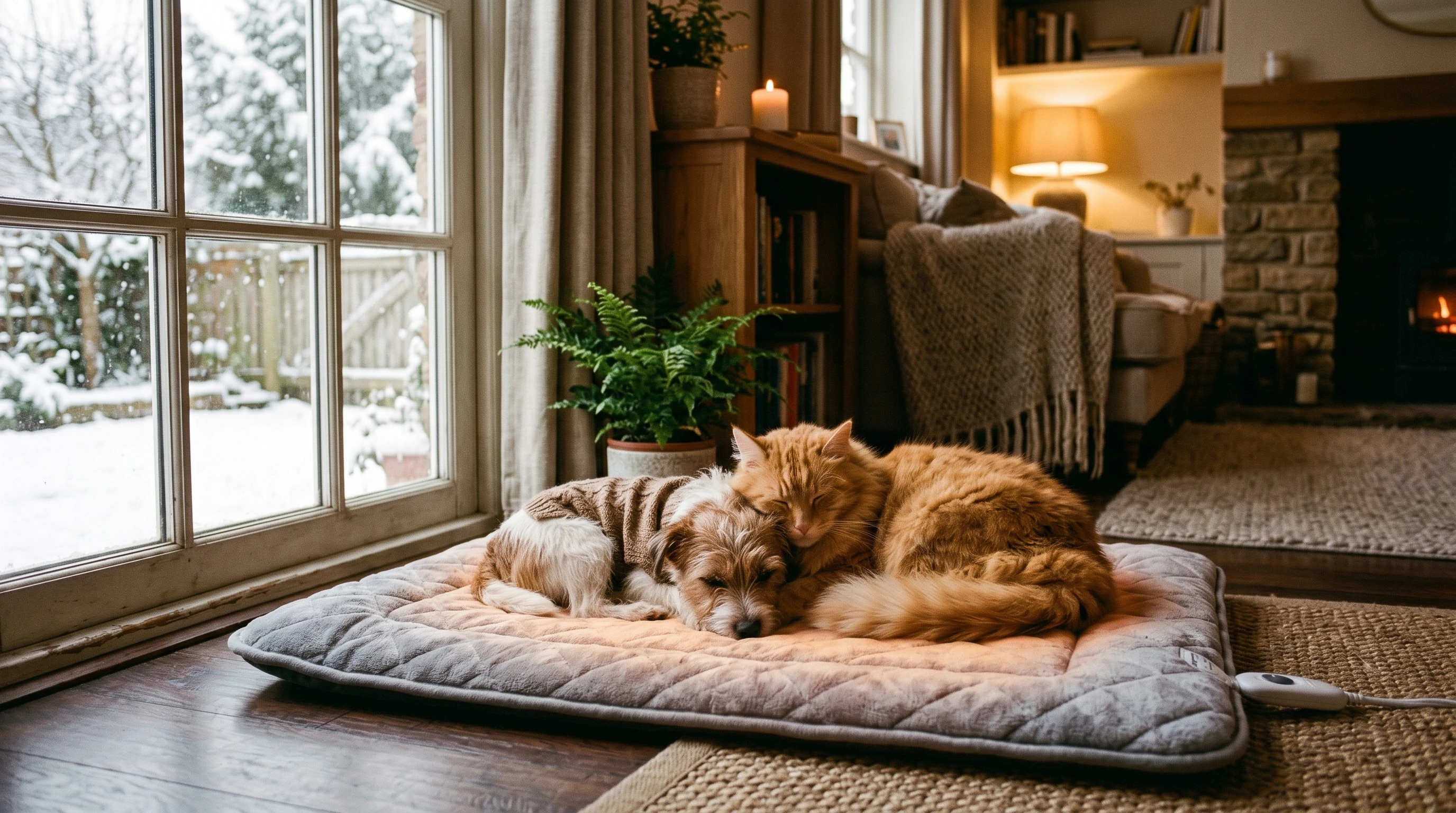
Why Heated Beds Matter for Pets in Winter
As temperatures plummet, even indoor pets can start to feel the chill. Just like us, cats and dogs are more comfortable and happier when they’re not cold. Senior animals are especially sensitive, as are smaller breeds or pets with thin fur. Providing warmth goes a long way, promoting relaxation and healthy sleep patterns. With a heated bed, pets don’t have to search out the warmest corner or try to crowd into your lap every time you settle in for a movie night.
Most heated beds keep the temperature just above the ambient room temperature, which mimics the kind of gentle heat pets might get if they were sleeping close to their mother or siblings. There’s a lot of peace of mind in knowing your pet is cozy, especially when the house gets drafty overnight or the weather turns unexpectedly cold.
Main Benefits of Heated Beds for Pets
- Improved Comfort: Pets curl up and instantly relax into a warm bed. This is especially true for those that love basking in sunshine or cuddling next to heaters.
- Bounce Back from Outdoor Chills: If your pet spends any time outside, even quick bathroom breaks, hopping into a warm bed helps get their body temperature back to normal.
- Soothe Aches and Stiff Joints: Older dogs and cats, or those with arthritis, really appreciate the gentle heat. It’s a natural way to relax tight muscles and ease soreness.
- Reduced Anxiety: A warm spot can settle pets who are anxious, especially during storms or noisy winter nights. Warmth helps pets feel safe and calm.
- Better Sleep Quality: Warmth can help pets fall asleep faster and stay asleep longer, which supports their overall health and mood.
Choosing the Right Heated Bed for Your Pet
The pet product market has lots of options, and not all heated beds are made equal. Picking the right one comes down to a few key points that make a big difference for your furry friend.
- Size Matters: The bed should be big enough for your pet to sprawl naturally but not so large that the warmth gets lost.
- Heating Type: There are electric beds that plug in and selfwarming beds made with materials that reflect your pet’s body heat. Electric beds tend to provide more consistent warmth, while selfwarming beds are nice if you’re nervous about cords or electricity.
- Safety Features: Look for heated beds with chew resistant cords, automatic shut-off timers, and certification from third-party safety groups like UL or MET.
- Washability: Being able to remove and wash the cover is super handy, especially if your pet is prone to accidents or tracks in dirt.
- Placement Versatility: Beds that can work in a crate, on the floor, or in your pet’s favorite perch give you more flexibility around the house.
When choosing a heated bed, think about your pet’s behavior and habits. Does your pet love to stretch out or curl up? Is your house prone to power outages in winter? Selfwarming beds might be a good call if you want something that works even without electricity. Also, if your pet tends to chew or scratch at bedding, look for reinforced seams and tough fabric to make things last longer.
How Heated Beds Help Different Types of Pets
The benefit of a heated bed isn’t just for one type of animal. Here are a few examples from my own experience and chatting with other pet owners:
- Seniors: My arthritic senior cat loves her heated pad in winter, and she’s more active now that her joints aren’t so stiff.
- Shorthaired or Hairless Breeds: Dogs like whippets and cats like sphynx breeds seem to get cold even in mild weather. A heated bed means they don’t constantly have to burrow under blankets.
- Small Pets: Rabbits, guinea pigs, and ferrets are sensitive to cold. There are small sized heated pads made specifically for them, keeping everyone happy and less prone to catching chills.
- Recovering Pets: If your pet is recuperating from surgery or illness, a little extra warmth provides comfort when they need it most.
Heated beds are also a nice addition for animals who live in partially heated spaces. Barn cats or garage dogs can especially benefit from that extra boost of warmth in the colder months. Even exotic pets like reptiles or birds, with species-specific heated pads, can enjoy targeted warmth that makes a big difference in their health. Always be sure to check with a vet for animal-specific recommendations.
How to Use a Heated Bed Safely
- Read Instructions Thoroughly: Each model has specific safety info, so don’t skip it.
- Test the Temperature: Let the bed warm up before your pet uses it. Use your hand to check the temperature to ensure it’s pleasantly warm, not hot.
- Monitor for Wear and Tear: Check cords and heating elements regularly. Replace any bed that has damage, especially if your pet is a chewer.
- Place on a Flat Surface: This keeps the heating element distributed evenly and prevents overheating at any one spot.
- Don’t Use Outdoors Unless Specified: Only some heated beds are weatherproof or safe in unprotected spaces like porches or kennels.
Extra Tips for Safe Usage
Pets are pretty good at regulating their warmth, but younger or older animals might struggle. Always give them the option to move off the bed if they get too hot. I keep regular, unheated bedding nearby in case my pets want a change.
If your pet wears a sweater indoors, watch that they aren’t overheating when using a heated bed. Some pets love the extra warmth, while others might get too snug, so check in on them from time to time.
Common Roadblocks and How to Handle Them
- Chewers: Some dogs (and even cats!) will go for cords or seams. Choose a bed known for chew resistance or opt for selfwarming styles.
- Reluctant Pets: Some pets won’t hop on a heated bed right away. Try placing familiar blankets or toys on the bed, or move it into their favorite napping spot first.
- Shared Beds: Multipet households sometimes see squabbles over the heated bed. Multiple pads or larger beds help everyone get a turn.
Washing and Maintenance
Pets have accidents or bring in mud. Heated beds are no exception. Removable covers make cleaning simple, but always make sure all electrical parts are out before tossing in the washer. For selfwarming pads, a good shake and gentle vacuuming usually keep things tidy. Spot cleaning works well for most quick messes. If you notice any lingering pet odors, a bit of baking soda or a pet safe fabric spray can help refresh the bedding between washes.
When a Heated Bed Might Not Be the Best Choice
While heated beds are really helpful for lots of pets, there are situations where you might want to skip them. Pets with trouble moving (like neurological issues), super young puppies or kittens, or those with skin sensitivities might react differently to the warmth. It’s always a good idea to check with your vet if you’re uncertain, especially if your pet has a chronic health problem. Pay attention to their comfort and make adjustments as needed.
In some cases, alternative warming methods may be your best option. Extra soft blankets, heated rice packs (made for pets), or increasing your home’s ambient temperature could give them the boost they need. The main thing is to provide choices so your pet isn’t forced into using a heated bed if it’s not their style.
Heated Bed FAQ
Here are some really common questions I get from fellow pet owners:
Can I leave a heated bed on all the time?
Answer: If the bed is designed for all-day use and has safety features like auto shut-off and temperature regulation, it’s generally fine. I usually turn mine off when I leave the house just to be on the safe side.
Do heated beds use up a lot of electricity?
Answer: Most models draw a very small amount of power, kind of similar to a night light. Check the product label for exact details.
Is it safe for puppies and kittens?
Answer: Many heated beds are made for adult pets. Check the manufacturer’s age and weight recommendations. Very young or tiny pets should have supervision or a vet’s go-ahead before using any heated bedding.
What if my pet has allergies?
Answer: Look for beds with hypoallergenic materials and easily washable covers. Washing regularly keeps dander and dust mites under control.
Extra Ways to Keep Pets Warm in Winter
- Keep bedding off cold floors by using raised beds or placing them on rugs.
- Add layers of regular blankets so pets can choose their comfort level.
- Block drafts in windows and doors, especially near where pets sleep most.
- Give outdoor pets insulated shelters with enough room to move but still trap body heat.
Heated beds for pets are a simple upgrade that can make winter a lot more comfortable for your furry family. Watching my pets snooze contentedly in their warm spot always makes me feel like I’m helping them beat the chill. It’s one of those small changes that brings big rewards for both pets and owners all season long. Bottom line: a little warmth goes a long way in making winter wonderful for your four legged friends.