
Raised pet beds bring a whole lot of comfort and practicality for our animal friends—whether you live with a bundle-of-energy puppy or a chill cat. Raised pet beds aren’t just about handing your furry buddy a cozy place to rest; they come with real perks for both pets and their humans. I’ve put these beds to use myself, so I’m going to lay out everything practical thing about them, including why they’re worth considering and what you should keep in mind when shopping for one.
What Is a Raised Pet Bed?
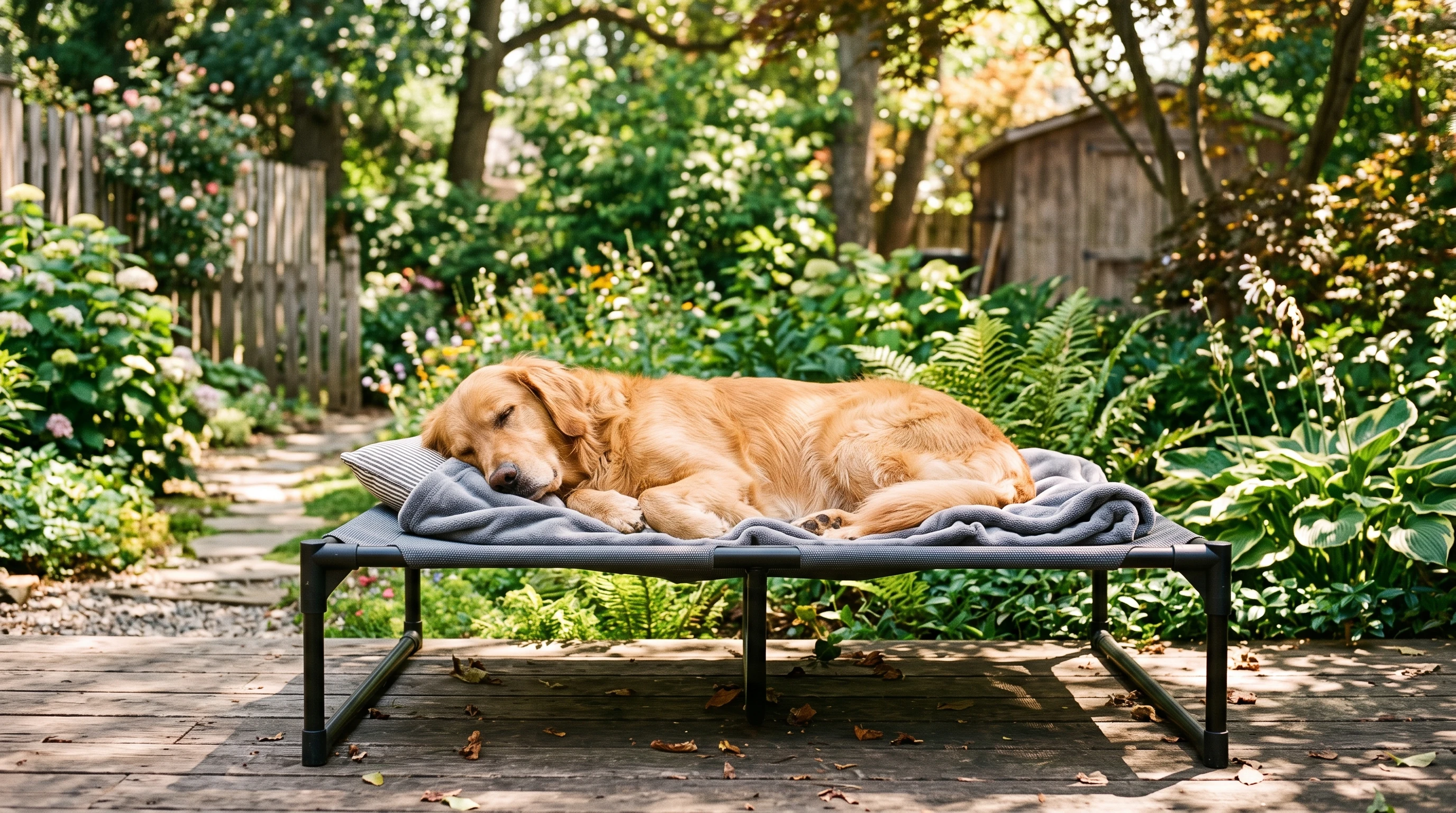
Raised pet beds—sometimes called dog cots or hammock beds—are exactly what they sound like. They’re made with a sturdy frame that lifts your pet off the ground by a handful of inches. The idea is simple: rather than flopping onto the floor, your pet lounges on a mesh or fabric surface stretched over that frame.
Most raised beds are about 7 to 10 inches off the ground. This is the sweet spot for both cats and dogs, big or small. The extra height keeps pets off chilly, damp, or hard floors and gives them a whole new lounging vibe. Raised beds work awesome for pets who get hot easily, senior animals with creaky joints, or honestly, any pet that likes to really sprawl out.
Benefits of Raised Pet Beds
The upsides of a raised bed go much further than looks. Here’s why I think they’re worth checking out if you’re looking to give your pet’s comfort a boost:
- Better airflow: A raised bed lets air circulate below your pet, helping to keep them cooler, especially on warm days or right after playtime.
- Protection from dirt and pests: The extra height puts a little distance between your pet and bugs, dust, or chilly floors. It’s a solid choice for outdoor spots or basements.
- Relief for joints: Senior dogs or arthritic pets often benefit from taut, supportive surfaces instead of soft mats on the floor—less pressure on sore joints means less stiffness.
- Easy to clean: Most raised beds feature mesh or waterproof fabric that you can wipe down or spray off. No more fighting with overstuffed beds in the washer!
- Durability: Since your pet isn’t crushing pillow stuffing flat, these beds hold up way better than most plush beds. You’ll get more bang for your buck.
Picking the Right Height for Your Pet’s Bed
The ideal height for your pet’s bed tends to fall between 7 and 10 inches. That’s enough space for airflow and to keep out the mud but not so high that your buddy needs to jump. For small dogs or cats, check out beds closer to seven inches. For big breeds or larger cats, closer to 10 inches works well and is still easy for them to step into.
If you’re caring for an older pet or one with mobility concerns, it’s smart to check the height they can easily step onto. Sometimes as little as 5 or 6 inches is just right for an older animal who needs stability more than height. It never hurts to scan spec sheets and user reviews to figure out if a bed matches your pet’s mobility and size.
Quick Guide: How to Choose a Raised Bed for Your Pet
There are a few key things I always check before picking up a new raised pet bed:
- Frame: Look for sturdy, rust-resistant metal or heavy plastic, especially if the bed will go outdoors.
- Fabric: Mesh is best for airflow and cleaning. Make sure it’s double-stitched and rated for your pet’s weight.
- Setup: Some beds need no tools and pop together, while others need a screwdriver. Choose what suits you.
- Non-slip feet: Rubber pads help keep the bed from sliding on hard floors, which helps keep eager pets safe.
- Weight limit: Always check this! Some beds are only for tiny dogs or cats, while others handle over 100 pounds easily.
- Size: Make sure the surface is big enough for your pet to stretch out fully—not just curl up.
I like to give a once-over to customer reviews with pet photos; this helps spot how sturdy a bed is—and how it works for chewers or diggers in real life.
What to Think About Before You Buy
After being active on pet forums and chatting with pet-owning friends, I’ve seen some key points pop up repeatedly. Keep these in mind before placing an order for a raised pet bed:
- Chewing and digging: If your pet is a big chewer or loves to dig, opt for a bed with a reinforced frame and durable mesh. Stay away from lightweight plastic if your furry pal is tough on toys.
- Outdoor exposure: Will it stay outdoors? Make sure it’s built with weatherproof materials and mesh that drains easily and stays mildew-free.
- Footprint: Raised beds can be bigger than plush beds, so double-check the dimensions. Even so, many fit well under tables or in corners.
- Pet personality: Shy or smaller pets may need a little encouragement to try a new bed. In my experience, tossing a favorite blanket or some treats works wonders.
Chew-Proof Choices and Durability
For notorious chewers (dog or cat), I’ve found beds with aluminum frames and extra-rugged mesh hold up best. Avoid beds with a lot of exposed soft plastic. If your pet destroys toys, look at brands with replacement covers to keep things fresh without replacing the whole bed.
Weather and Clean-Up
For outdoor use, I blast mine with a hose and let them dry in the sun. Indoors, a weekly wipe with a damp cloth does the job. If you’ve got a mud enthusiast, go for darker mesh—it hides stains much better over time.
How to Win Over Picky Pets
Picky pets, especially older ones, sometimes take days to adjust to a new bed. Toss a blanket or add treats the first few times to make the switch. Most catch on quick when they notice how cool and breezy their new “hangout” is.
Sometimes, every pet needs time to adjust, but the majority get hooked. The airiness alone converts most pets in record time.
Extra Tips: Making Your Raised Pet Bed Even More Useful
Looking to really make the most of your raised pet bed? Here are some practical tips I’ve picked up over time:
Layer it up: For cold months or pets who crave softness, toss a light blanket or fleece pad over the mesh. You still get plenty of air circulating, plus extra warmth and comfort.
Go portable: Since raised beds are lightweight, you can move them wherever your pet wants to lounge—in your office, on the deck, or even on a camping getaway.
Training aid: Some dog owners like to use the bed as a spot cue during training. Telling your dog to “place” gives them a clear boundary to settle down, even during busy family dinners.
Trying any of these tips will take your pet’s comfort up a notch and add more flexibility to your routine.
Everyday Uses for Raised Pet Beds
- Cooling off in summer: Dogs with thick coats flock to a raised bed after playing, thanks to the breeze underneath. It cools them down faster than a plush mat.
- Outdoor lounging: In the backyard, at the park, or during camping, these beds keep pets away from wet grass or hot concrete—a big plus for sensitive pets.
- Inside kennels: A raised bed inside a crate or kennel keeps dogs clean and comfy, especially for outdoor or garage setups.
- Traveling companion: Collapsible raised beds pack up easily and are perfect for travel. At rest stops or campgrounds, your pet instantly gets a comfy, familiar spot.
One real-life win: a friend told me her Labrador ditched his old plush bed after sprawling on a raised cot at a summer barbecue. He was hooked by the cool breeze and never looked back!
Frequently Asked Questions About Raised Pet Beds
Here are answers to common questions pet lovers often ask about raised pet beds:
Are raised beds good for older dogs or those with joint pain?
Answer: Definitely! Many senior dogs find supportive, raised beds easier to get on and off. The taut fabric eases pressure on sore joints, making rest more comfortable for aging pets.
Can I use a raised bed outdoors?
Answer: For sure. Most mesh and metal beds handle the outdoors well—they dry fast, withstand mildew, and last longer. Just keep an eye out for rust if you go budget on the frame.
Do cats enjoy these beds too?
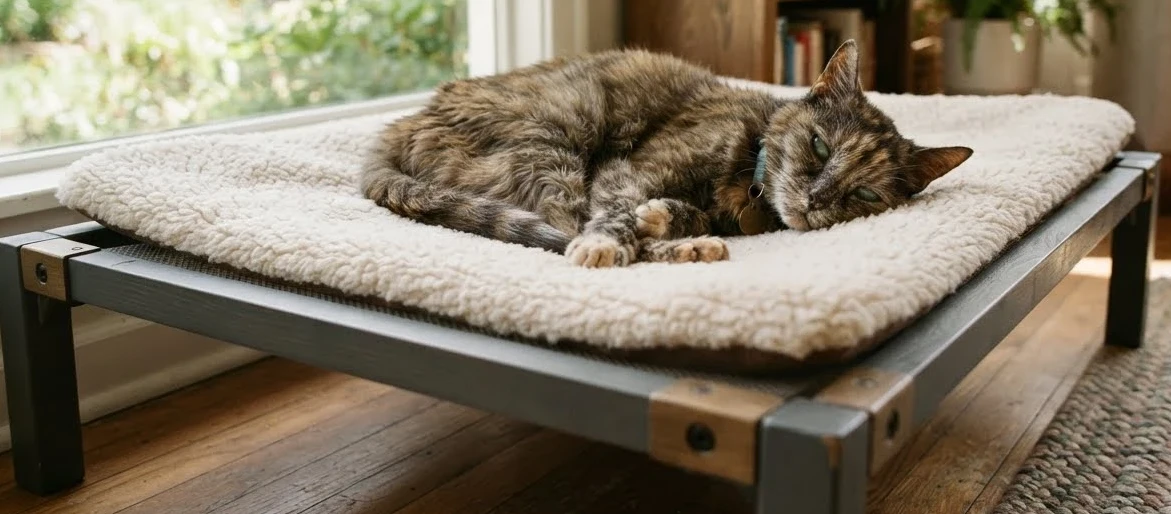
Answer: Absolutely! A lot of cats love the slightly springy feel and the high-up perspective. Just pick a model the right size and height for your feline friend.
Wrapping Up
Raised pet beds are a smart and practical choice for pet parents wanting to keep their four-legged companions cool, comfy, and cleaner. Whether you have an energetic dog, a wise old cat, or you’re just after something easy to maintain, a raised bed at the right height (generally 7-10 inches) will work wonders. Adjust things with blankets or toppers if needed, and always check the specs to suit your pet’s unique needs. Whichever style you go for, you’ll love seeing your pet lounging in comfort—and you may even wish there was a human-sized version, too!