
If you’re interested in starting a single species aquarium, betta fish are definitely worth considering. Betta fish, also known as Siamese fighting fish, are famous for their eye-catching colors, fancy fins, and lively personalities. These freshwater fish are super fun to watch and care for, especially when you set up their tank with their needs in mind. I’ve spent time keeping bettas over the years and I’m happy to share my experiences to help you create a healthy, happy environment for these little solo stars.
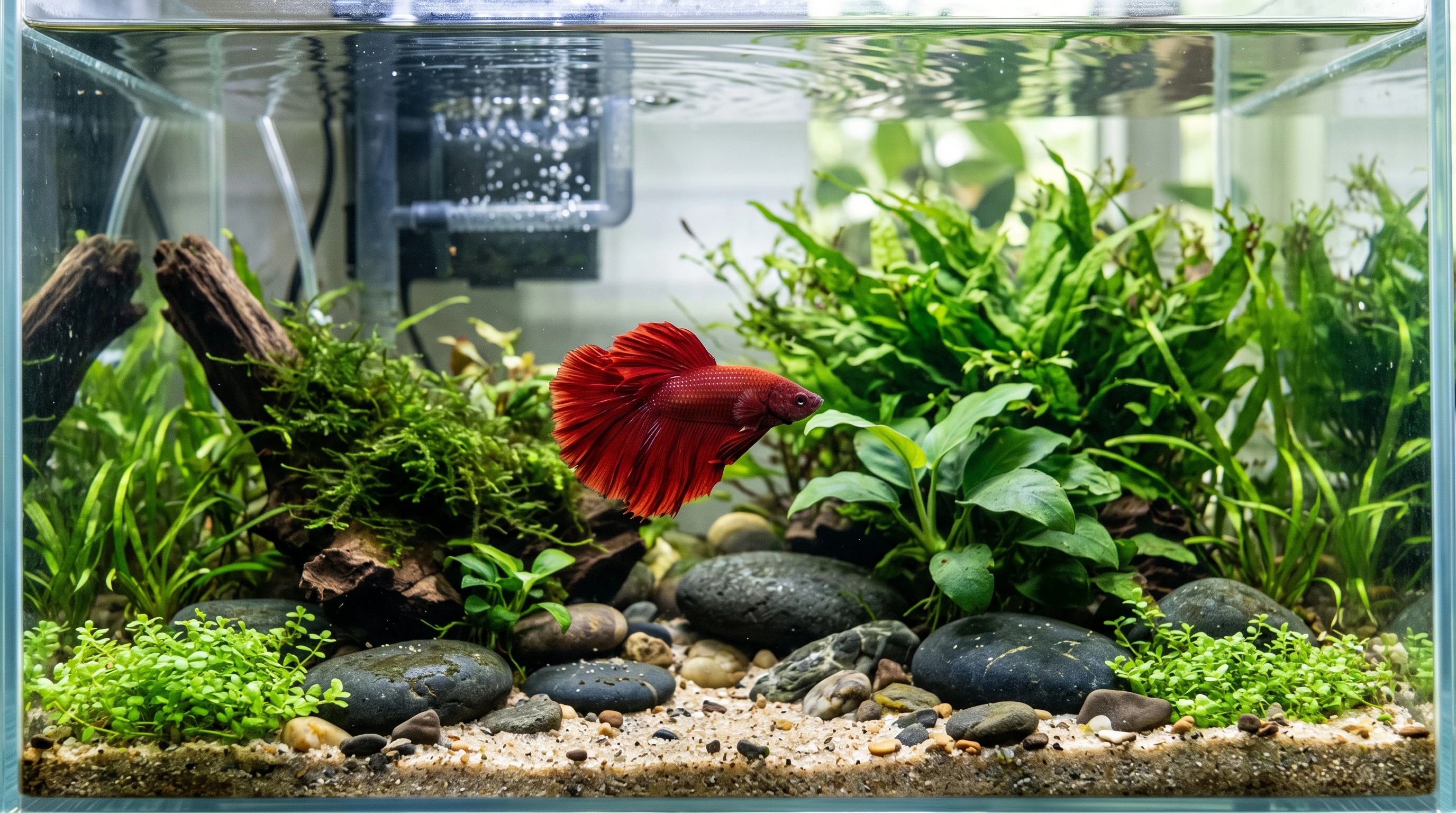
What Is a Betta Fish?
Betta fish (Betta splendens) are freshwater fish that come from shallow rice paddies, ponds, and slow streams in Southeast Asia, especially Thailand and Cambodia. Their bold colors and flowing fins have made them popular in the aquarium hobby. Betta fish are known for their unique personalities, often swimming up to the glass when they notice you. Many folks call them fighting fish because wild males are territorial, and yes, they can get aggressive with each other.
Bettas are labyrinth fish, which means they have a special organ that allows them to breathe air directly from the surface. That’s why you might spot them darting up to take a gulp of air, even with a filter running. Their ability to thrive in low-oxygen water sets them apart from many other aquarium fish.
Choosing the Right Tank: Tall or Wide?
When it comes to tank shape, wide tanks are far better for bettas than tall ones. While bettas can survive in tiny containers, this isn’t ideal for their long-term health or happiness. Wide tanks let bettas swim horizontally, which is how they naturally move. Longer, shallower tanks also make it easier for them to reach the surface for air, which is important since bettas often gulp at the surface.
I recommend a tank that’s at least 5 gallons for a single betta. Anything smaller makes it tough to keep the water quality stable and gives less space for your fish to explore or be active. Look for tanks with more floor space and avoid tall columns as they’re harder for bettas to get around and set up their territory.
Male vs Female Bettas: Who Lives Longer?
Male and female bettas both usually live between two and four years, though with great care, some make it beyond five. There is not a big lifespan difference between the two. Females can seem a bit more active and less stressed, especially in smaller tanks, but either sex can thrive. Males are easier to find at pet stores because of their fancier fins, but both make excellent pets. What matters most is keeping the water clean, temperature steady, and feeding the right amount.
What to Avoid in a Betta Tank
A few items are not suitable for a betta tank. Here’s what I keep out:
- Sharp or rough decorations: Betta fins are delicate, so I avoid plastic plants, rough rocks, or anything with sharp points. Silk plants or smooth, natural decor are much safer.
- Other male bettas: Males will fight, even through glass, so one per tank. Females can sometimes be housed together in larger tanks but need careful watching. For most homes, one betta per tank is easiest.
- Fin-nipping fish: Fish like tetras and barbs may nip fins. Even some snails or shrimp can annoy a betta.
- Strong currents: I use gentle filters since bettas come from slow waters. Current that’s too strong tires them out or stresses them.
I also steer clear of chemical additives and unproven decorations that could leach toxins. Always read labels to make sure everything is aquarium safe.
Lighting and Nighttime: Do Bettas Like It Dark?
Bettas do best with a regular day-night rhythm. I set mine for 8 to 12 hours of light and then make sure they get true dark at night to rest. A basic aquarium timer keeps the schedule reliable. Bettas don’t need special nightlights; turning off the light helps them relax, which is key for their health. Too much light can leave your betta stressed and sluggish.
Interacting with Your Betta: Do They Like Being Talked To?
Bettas can spot their owners and may respond in their own way. I talk to mine during feeding, and although they don’t understand language, they do seem to react to voices and movement. These fish can follow your finger along the glass or investigate when you approach. This interaction adds a personal touch to the hobby and helps you notice if your betta acts differently from day to day.
Cool Facts About Betta Fish
- Bubble nests: Males build bubble nests at the surface. Even if there are no eggs, they still like to make these. It’s a fun sight for keepers in the morning.
- Stunning variety: Bettas come in an incredible range of colors, patterns, and fins. You’ll find crown tail, veil tail, half moon, and double tail at most shops.
- Smart fish: They can learn tricks like jumping for food or navigating simple mazes.
Every betta fish is unique. No two have the same color pattern or personality, giving each one a bit of charm.
Why Betta Fish Are Kept Alone
Betta fish are naturally territorial, especially males. Wild bettas defend their patch fiercely to keep rivals at bay. In a tank, this leads to fights that can injure or even kill. For single species aquariums, housing one betta per tank is safest and keeps things calm. While it’s possible to keep bettas in community tanks with the right tankmates, a solo tank lets your betta show off and removes the stress of monitoring for aggression.
Setting Up a Single Species Betta Aquarium
The right setup helps your betta thrive. Here’s a helpful checklist:
- Tank size: At least 5 gallons, but roomier is usually better.
- Filter: Pick a gentle, low flow filter. Sponge filters are a great choice because they don’t create harsh currents.
- Heater: Bettas prefer water between 76 and 80°F (24–27°C). An adjustable heater keeps this steady.
- Substrate and plants: Smooth gravel or sand works well. Live or silk plants offer places to hide and rest.
- Tank lid: Since bettas can leap, a fitted lid keeps them inside and safe.
Be sure to cycle your tank before adding your betta. This helps grow good bacteria in your filter to handle fish waste. Aquarium water conditioners and test kits are useful for setting this up right from the start.
Keeping Your Betta Tank Clean
Ongoing maintenance is key. I do partial water changes (25 to 30 percent) weekly to freshen things up. Checking water temperature and testing for ammonia, nitrites, and nitrates every week or two helps prevent problems.
Feed only what your betta finishes in a couple of minutes. I scoop out any leftovers right away to keep the tank clean. Cleaning decor and trimming plants when needed makes the tank look great and reduces debris.
Are Betta Fish Good Pets?
Betta fish are eye-catching and engaging pets, perfect for small spaces or new fish keepers. They are low maintenance if you keep up with clean water, healthy food, and an appropriate tank. Bettas have quirky behaviors and unique personalities, making it a treat to watch them explore or “beg” for food. You don’t need a giant aquarium, but these little fish still bring plenty of color and life to any space.
Are Betta Fish Really “Fighting Fish”?
Betta fish earned the name fighting fish because of the way wild males compete for territory. Stores separate them to prevent injuries. While females are a bit less aggressive, they can still act tough, so single species, single-fish tanks are usually safest for everyone.
Do Bettas Need a Special Aquarium?
Bettas do have a few unique needs: stable, warm water; gentle currents; and places to hide. Standard rectangular aquariums are fine as long as you avoid sharp edges and keep things clean. “Betta bowls” are often too tiny and unstable for betta health. Picking an appropriately sized tank with the right equipment lets your betta thrive and show off its personality.
Quick FAQs
Do female bettas need to be kept alone too?
While females can sometimes live in groups (called sororities), this is tricky and takes careful watching. For beginners or single species tanks, it’s best to stick to one betta at a time for safety.
Can I keep more than one betta in a divided tank?
Divided tanks can work if the dividers are strong and opaque. If bettas can see each other, they may get stressed. I favor separate tanks to keep everyone safe and happy.
How do I know if my betta is happy?
Active swimming, bright colors, steady appetite, and bubble nests are all good signals. Faded color or resting a lot could mean something is wrong.
Bettas make smart, beautiful solo pets. Give them the right tank setup and some attention and they’ll reward you with color, movement, and a dose of personality for years to come.