
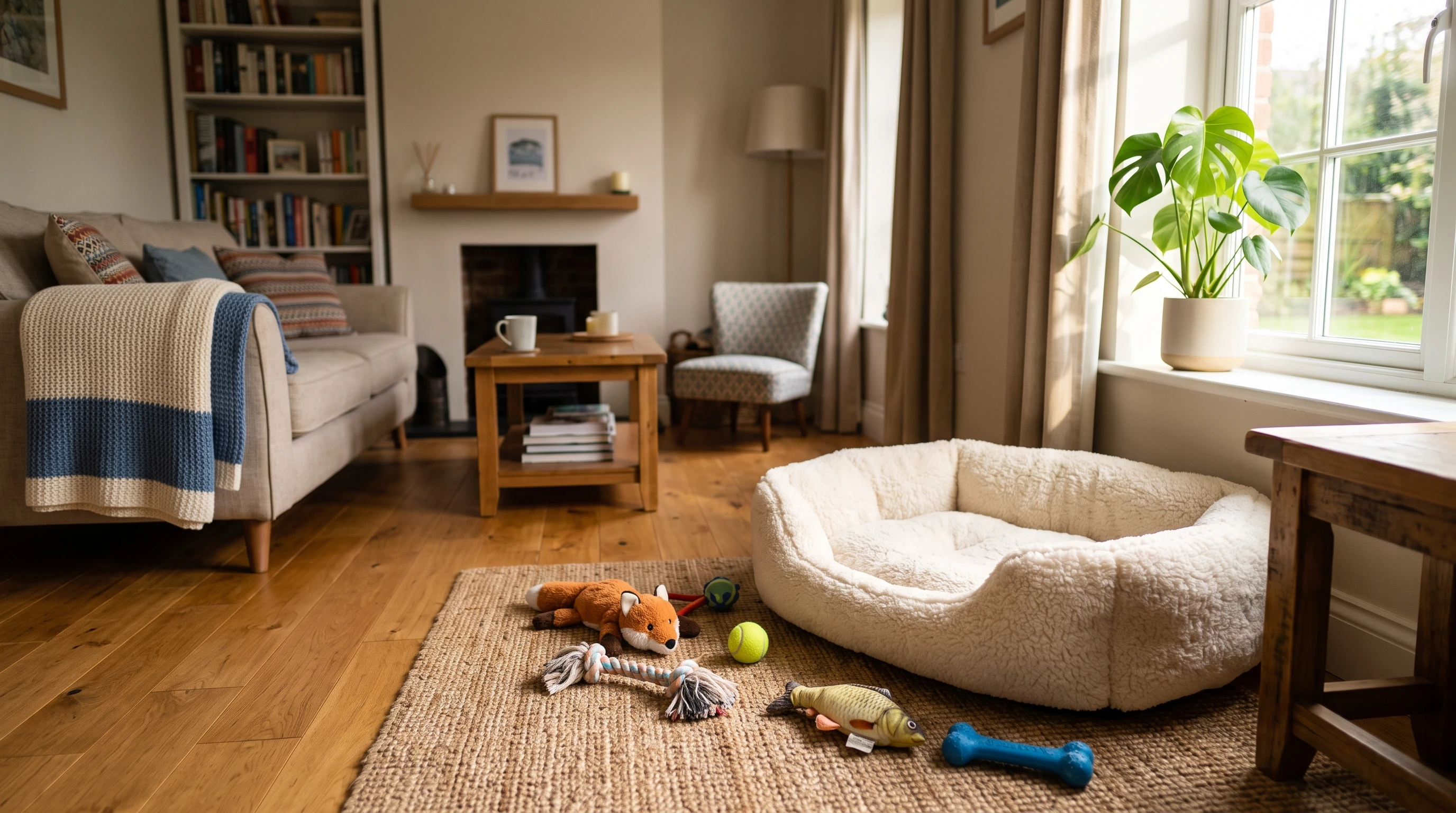
Keeping your pet’s bed clean is more than just something to do on a whim. It’s one of those steps that truly makes everyday life comfier for both you and your furry friend. A fresh bed cuts down on odor, helps manage allergens, and gives your pet a cozy, healthy space to nap. If you’ve ever wondered how often you should wash your dog or cat bed, or how to keep it from getting stinky in the first place, this guide has you covered. Here’s what you need to know to keep your pet’s favorite spot fresh and inviting.
Why Cleaning Your Pet’s Bed Matters
Pet beds might not look dirty at first, but they pick up fur, dirt, dander, and plenty of invisible muck. These areas can turn into hangouts for fleas, bacteria, or even mold if they get ignored. Besides the obvious odor issues, keeping your pet’s bed clean helps with allergies (both yours and your pet’s), and keeps their skin and fur in better shape. While most manufacturers recommend regular cleaning, your routine will depend on your pet’s shedding, health, and time spent outdoors.
The American Kennel Club notes that pets spend up to half their lives resting or snoozing, which turns their bedding into an important comfort zone—and a spot where germs and grime can pile up. The best practice is a straightforward routine: clean your pet’s bed every one or two weeks. If your friend is a heavy shedder or has allergies, doing it more often can make things better for everyone at home.
What You Need To Get Started
A good cleaning session doesn’t require specialized tools, but a few things can make the job easier. Here’s a quick checklist I keep nearby:
- Vacuum cleaner: Perfect for picking up hair and crumbs before washing.
- Mild pet safe detergent: Regular detergent is okay, but unscented or special pet versions are kinder to sensitive pets.
- Lint roller or pet hair remover: Removes hair before tossing fabric in the wash.
- Stain remover (pet safe): For those stubborn muddy paw prints or surprise stains.
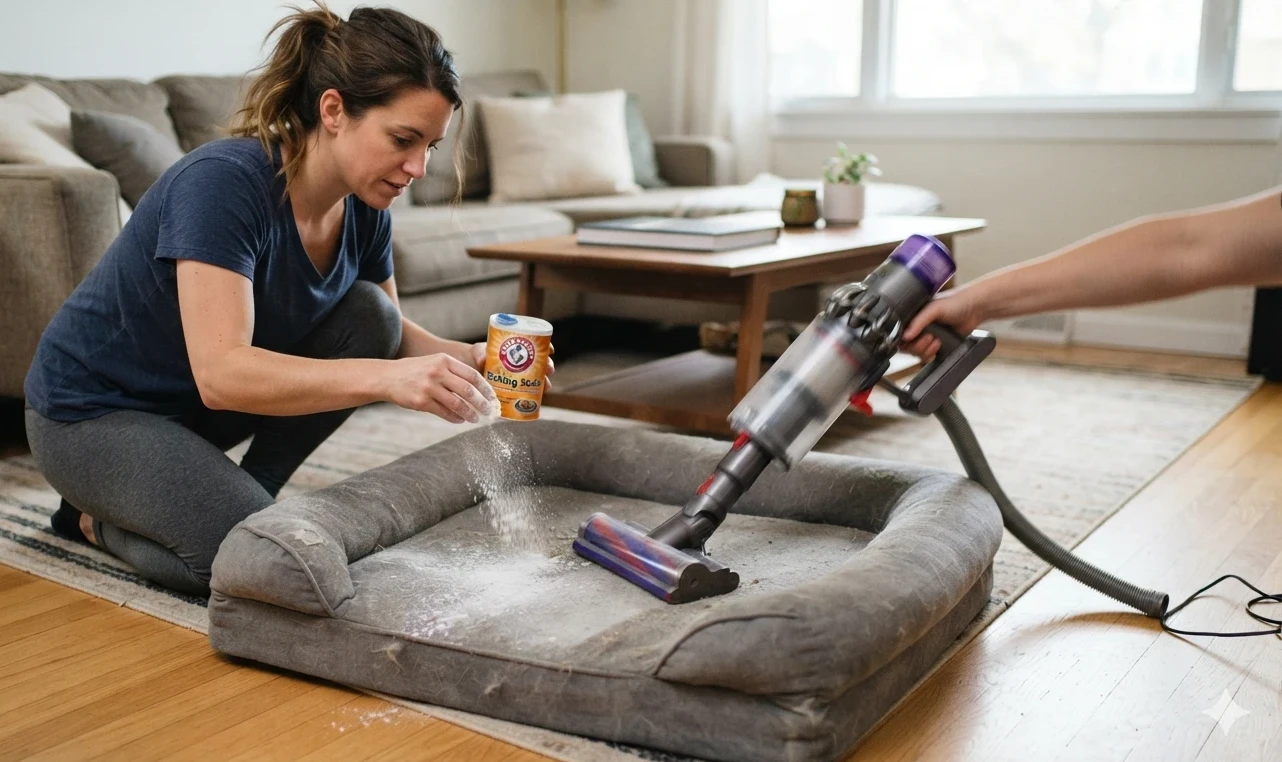
- Baking soda (optional): Sprinkled before washing, it gives a boost to odor control.
How To Wash Pet Beds Step By Step
Most pet beds have care tags, and it’s worth giving them a read for specific instructions. I always check the label the first time because some beds use memory foam, plastic liners, or zippers that need careful handling. Here’s the go-to approach for cleaning a basic soft bed:
- Remove loose fur and debris. Use a vacuum and lint roller to pick up surface hair and crumbs first. This keeps your washing machine running smoothly and prevents clogs.
- Check for stains or spots. Spot any trouble areas—maybe a muddy pawprint or a dribble—and treat with a pet safe stain remover. Let it work for a few minutes.
- Unzip and separate parts. Beds with removable covers should be unzipped, with any pillows or foam inserts taken out. Covers usually go in the wash, while memory foam and special inserts require spot cleaning, which we’ll get into soon.
- Wash on gentle. Use cold or warm water plus a small amount of mild, fragrance free detergent. Pets with allergies or sensitive skin do best with no heavy fragrances.
- Rinse thoroughly. Doing an extra rinse removes detergent residue, keeping your pet from irritated skin.
- Air dry or tumble dry low. Most beds do better air drying, preventing shrinkage or damage. If tossing in the dryer is safe, use low heat and toss in a tennis ball to keep stuffing from clumping.
Tips For Cleaning Memory Foam and Specialty Beds
Foam inserts need a different approach. Memory foam shouldn’t go in the washer or dryer as it can break down or retain too much water. Here’s a quick rundown:
- Spot clean with mild soap and water. A cloth or sponge works for gently removing dirt and stains.
- Sprinkle baking soda and let it sit for 10-15 minutes, then vacuum for freshening and odor control.
- Air out in a well-ventilated space, avoiding direct sun so the foam doesn’t break down over time.
Waterproof or orthopedic beds usually feature removable covers that are machine washable, which makes life a lot easier. Always make sure foam and covers are totally dry before putting the bed back together, since leftover moisture can result in mold or mildew.
How Often Should You Clean Pet Beds?
Washing frequency depends on your pet’s lifestyle and health, but here are some general guidelines:
- Every 1-2 weeks: For heavy shedders, if you notice any odor, or for active pets and those who spend time outdoors. A weekly wash is best for them.
- Monthly: Indoor-only pets, light shedders, or beds that don’t get much use can be washed monthly.
- After accidents or illness: Any time there’s an accident (common with puppies, kittens, or older pets) or your pet has been unwell, wash the bed right away.
Common Challenges and Solutions
- Stubborn Odors: Sprinkle some baking soda before vacuuming, or add an odor-neutralizing pouch during the wash. Cleaning regularly is key but if the smell sticks, it may be time for a new bed.
- Excess Pet Hair: Lint rollers and rubber gloves help pull out tough fur before washing. Regular brushing keeps hair from building up in beds and your laundry machine.
- Beds Without Removable Covers: Spot clean, or put the entire bed into a large frontload washer using gentle cycles and extra rinses to protect the fill.
- Allergies: Unscented detergent and skipping fabric softener are best. Hot water helps with dust mites, but always check the care label to avoid damaging delicate materials.
Staying Ahead of Shedding
Shedding can seem never ending, especially with longhaired pets. Regular brushing—ideally outdoors—keeps lots of hair from ending up in their beds. It also helps to use a washable blanket or topper on the bed during shedding season for quick changes and washes.

Protecting Beds From Moisture
Moisture from rain, baths, or accidents can cause mildew issues. Make sure your pets are dry before getting back on their beds, and occasionally air the bed outside on sunny days for an extra boost. Waterproof liners work well to protect the filling and speed up cleaning time if you’re dealing with accidents.
Advanced Tips For Extra-Fresh Beds
If you want to step up your routine, these tips add long-lasting freshness and keep things more hygienic for your pet:
- Rotate Beds: Having two beds lets you swap them out on laundry days, so your pet never has to go without a comfy spot.
- Weekly Vacuuming: A quick pass with the vacuum between washes keeps hair, dirt, and dander in check. This is extra nice for those with allergies.
- Use Washable Covers or Liners: Removable, machine washable liners are a real timesaver. Spending a bit more on beds with this feature pays off over the long run.
- Wipe Down Surfaces: Wipe the floors under and around the bed regularly, especially on smooth floors, to keep pet dirt from coming back quickly.
Choosing A Pet Bed That’s Easy To Clean
Some pet beds are easier to clean than others. If you’re shopping for a new one, keep an eye out for these features:
- Removable, machine washable covers: This simple feature makes life way simpler and cuts down on hassle.
- Water resistant lining: Consider this for pets who are young, older, or often have accidents.
- Durable fabric: You’ll get more washes out of sturdy fabric, without fading or tearing.
- Nonskid bottom: This stops the bed from scooting around when your pet plays or jumps in.
Paying a bit more for a bed designed for simple, quick cleaning is especially wise for new pet parents or anyone short on free time.
Frequently Asked Questions
How do I keep the bed from smelling between washes?
Stick with regular vacuuming and sprinkle a bit of baking soda every few days. Let it sit for 10-15 minutes, then vacuum up. Removable, washable covers and liners make spot cleaning in between washes much easier, too.
Can I put a pet bed in the dryer?
If the care label says it’s okay, use the lowest dryer setting. Otherwise, air drying works better to protect fabrics and prevent shrinkage.
What’s the best detergent for washing pet beds?
Your best bet is a mild, fragrance free detergent, or one clearly labeled as pet safe. Too much scent can set off sensitive noses and itchy skin.
Is it okay to use fabric softener?
It’s better to avoid it. Fabric softeners can leave residue and may reduce a bed’s ability to absorb moisture. Stick to basic detergent and consider adding an extra rinse for best results.
Keeping your pet’s bed fresh and comfy is a simple way to keep your furry companion happy and healthy. Having a set cleaning routine won’t just help your friend—it also makes your home feel fresher and cuts down on unwanted smells or allergy triggers. While laundry might not seem exciting, a clean pet bed always pays off in cozy snuggles and a healthier home for everyone.