
Aquarium lighting does a lot more than just brighten up your fish tank or help your plants grow. The light in your aquarium actually plays a pretty big role in how your fish eat, sleep, show their colors, and even behave with each other. If you’re new to keeping fish, understanding how light can affect your pets helps create a healthier, happier tank.
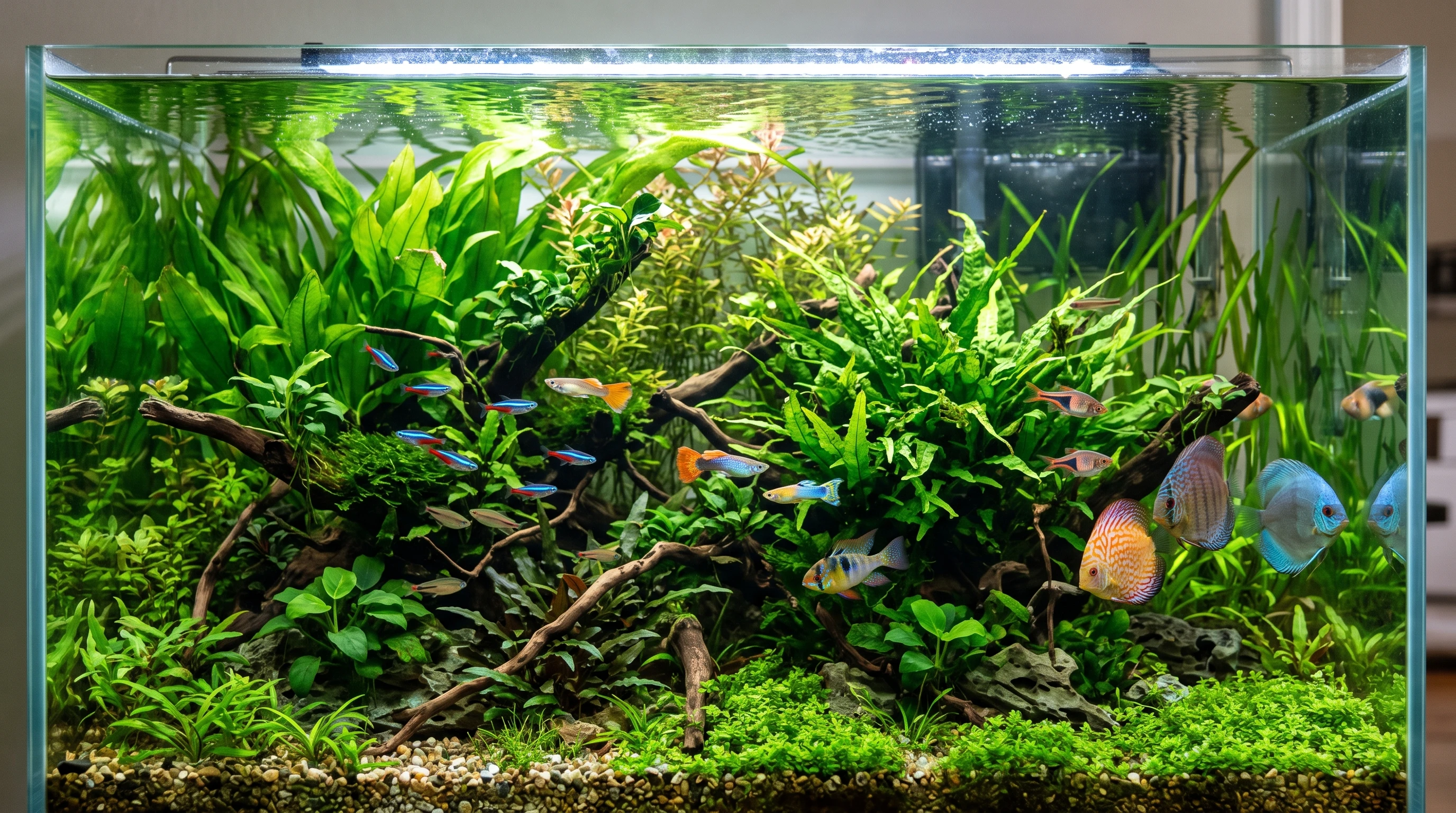
Why Aquarium Lighting Matters for Fish Health
Lighting in a fish tank does so much more than help you see your fish or make your aquarium look nice. Many fish come from places where the light changes based on the time of day, the season, and even the weather. When you set up your lights the right way, it helps fish feel comfortable. It also brings out their natural behaviors, like hunting for food or hiding when they need a break.
If you’ve ever noticed your fish hiding more than usual, swimming oddly, or even getting sick more often, the lighting might be a factor. Too much light can make fish feel exposed, while too little can mess with their appetite or stress them out. Many owners have noticed that after a lighting adjustment, their fish show more color and energy.
In addition, tank lighting impacts the health of live plants. Healthy plants improve water quality, provide shelter, and offer additional visual interest in your aquarium. The right lighting balance benefits fish and plants alike.
Natural vs. Artificial Lighting: What Fish Need
Fish in the wild get a mix of sunlight and periods of darkness. In captivity, artificial lighting is what creates this balance. There are a few main types of aquarium lights, and not every kind is suitable for every fish or tank:
- LED lights: Energy efficient, long lasting, and adjustable. These are great for most tanks, and you can easily tailor color and brightness.
- Fluorescent lights: Widely used in planted tanks since they give off a light spectrum that helps plants photosynthesize well.
- Incandescent bulbs: Becoming less common due to how much heat they put out and their energy usage. Some tanks, like small betta bowls, may use them, but they’re quite outdated now.
Choosing the right light isn’t just about picking the brightest bulb. It’s about matching the intensity and color to what your specific fish and plants are adapted to in the wild. For instance, fish from shaded forest streams could get stressed if exposed to highpowered lighting all day.
Newer aquariums often come with built in LEDs that let you tailor your setup. Some allow gentle dimming, which is good for simulating sunrise and sunset. This can help fish adjust more naturally each day.
How Aquarium Lighting Affects Fish Health
Fish health is connected to how much and what type of light you use. Here’s how lighting touches nearly every part of your fish’s life:
- Stress Levels: If lighting is too strong, fish might hide, lose color, or show signs of stress. Gentle, steady lighting helps them feel safe.
- Appetite: Many fish rely on visual cues to find food. The proper lighting gets them eating normally, while poor lighting can result in a loss of appetite.
- Color Vibrancy: Good lighting brings out your fish’s natural colors and patterns. In dim or incorrect lighting, colors fade more quickly.
- Breeding and Behavior: Many fish track changes in light to know when to breed or become active. Mimicking a true day and night rhythm supports their biological cycles.
- Immune Function: Ongoing stress created by bad lighting can weaken immune systems, making fish more likely to get sick.
The right lighting helps fish show off their most eye-catching colors. Owners often note an immediate improvement in the look and activity level of their fish after changing lighting conditions.
Can Aquarium Light Be Stressful for Fish?
Yes, aquarium lights can make fish stressed out if you don’t manage how you use them. Fish prefer the gradual changes in light they’d experience in nature. Sudden, intense light that switches on or off can be jarring for your pets.
If your fish routinely swim away from the light, hide a lot, or seem less colorful, the lighting could be too harsh or left on for too long. Bright lights in tanks without hiding places can really make shy or nocturnal fish anxious.
Adding floating plants, using dimmable lights, or providing places to hide helps reduce stress. Many aquarium owners see a difference by just softening their lighting or setting up an automatic timer for a consistent schedule.
Beyond stress, improper lighting can bring on other problems, including spiking algae growth or increased aggression among fish. Keeping a balance is key to tank health and harmony.
How Many Hours a Day Should Fish Tank Lights Be On?
Most freshwater tanks run best with 8 to 10 hours of light per day. This range keeps a steady routine for your fish and gives plants enough light for healthy growth. In fact, even saltwater tanks, with their coral and invertebrates, often follow similar guidelines for lighting duration.
Leaving the lights on all day or forgetting to turn them off can stress your fish, cause sleep issues, and lead to too much algae. Timers make it easy—set them, and your tank runs on autopilot.
If you have heavily planted tanks, you may need to check the balance—enough light for lush plants but not so much that fish seem uncomfortable. Try tweaking light duration by half an hour at a time, and pay close attention to how your fish react. This way, you can lock in the hours that keep both fish and plants thriving.
Owners with multiple tanks often prefer smart timers or programmable lights that simulate sunrise and sunset, making tanks more natural for all types of fish.
Should You Turn Off the Aquarium Light at Night?
Turning off the tank light at night is super important for fish health. Fish, like most living things, need darkness for their bodies to rest and reset.
Leaving lights on at night can leave fish confused, tired, or even sick over time. Nocturnal species rely on darkness to explore or hunt. That’s why giving your tank a true light-off period every night is vital for natural rest and healthy routines.
If you want to enjoy your aquarium after dark, try low-output blue LED “moonlights.” These provide gentle, natural lighting that won’t interrupt your fish’s sleep but allow you to enjoy some calm evening views.
Also keep in mind that aquarium equipment—like filters and heaters—still needs to work at night, but lights themselves should get a proper break.
Why Darkness Matters
Darkness is crucial for several reasons. Key processes like hormone control, cell healing, and proper rest all gear up when your tank is dark. Without darkness, fish may suffer from issues like:
- Poor growth and weaker immune responses
- Increased aggression from chronic tiredness
- Loss of appetite
- Trouble with breeding or spawning
Giving your tank a real “night” every day helps fish show their best natural behaviors, reduces stress, and keeps your aquatic plants healthy. Plus, it gives owners a break—a little time each day to let your tank rest along with its fish.
Common Lighting Setups and How They Affect Fish
- Planted Tanks: These require more light, often full spectrum LED or fluorescent that mimics sunlight. Limit to 10-12 hours unless plants are struggling, or algae can get out of hand quickly.
- LowTech Community Tanks: Softer light for about 8-9 hours is ideal. Basic LEDs are often enough unless you’re growing more demanding plants.
- Species Specific Tanks: Nocturnal, shy, or deep water fish do better with lower light and lots of shaded spots.
- Tanks Without Plants: Lower the brightness and total duration, just enough for visibility and to avoid sudden lighting shifts.
If you want advice about how certain lights will impact your tank, check out aquarium forums and groups. Hobbyists often share their experiences, offering up helpful photos and tips for new owners.
Remember, every tank is different. Adjust settings based on your own fish’s reactions for the most success.
Tips for Better Aquarium Lighting
- Use a timer: Automatic timers give your fish a steady routine, which is great for their health—even if you forget to flip the switch yourself.
- Add shade: Floating plants or rock caves offer hiding places, reducing stress for fish sensitive to bright lights.
- Watch your fish: Notice if your fish act sluggish, startled, or lose color. Adjust intensity or hours based on their needs.
- Avoid direct sunlight: Position your tank away from windows to prevent algae explosions and unwanted temperature changes.
- Pick the right spectrum: Most fish enjoy full spectrum white light, but planted tanks may need bulbs tailored for plant health.
Other tips include making sure your bulbs are still fresh (replace LEDs or fluorescent tubes as needed), and avoiding cheap lights that flicker or have an odd color cast—better quality lighting pays off for both fish and plants.
Real World Scenarios: How Lighting Choices Play Out
Owners of African cichlid tanks often recommend a bluish light spectrum that really makes their fish look incredible but is comfortable for the species. In contrast, South American setups with tetras or angelfish do better with gentle lighting, softened by floating plants to mimic the look of sunlight through leaves.
I’ve noticed that my own tetras and rasboras were a lot more active and bold once I started using an automatic timer and toned down the brightness. Adding floating hornwort made my bottom dwellers, like cory cat, feel safer and more visible, showing that even minor adjustments can bring out new behaviors and make your tank more interesting to watch.
Lots of aquarists experiment with different LED colors and schedules, learning that finding the right lighting setup is a personal process—there’s no universal answer that works for every fish.
Frequently Asked Questions
Is aquarium light stressful for fish?
It definitely can be if the light is too bright, on for too long, or the fish don’t get a break in the dark. Gentle, steady lighting paired with hiding spots helps keep your fish comfortable.
How many hours a day should fish tank lights be on?
Usually, 8 to 10 hours is a safe bet for most aquariums. Timers help keep things on track.
Should we turn off the aquarium light at night?
Yes—turning the light off at night lets fish rest up and improves their general health.
Why does darkness matter so much for fish?
Darkness triggers rest, recovery, healthy routines, and natural behaviors; it’s essential for a thriving tank.
Key Takeaways for Healthy Aquarium Lighting
Proper aquarium lighting makes a huge difference for your fish and plants. Go for 8 to 10 hours of light per day, use a timer, provide lots of hiding spots, and turn the lights off every night. If you notice your fish acting unusual, try adjusting the lighting intensity or schedule. Putting some effort into the lighting pays off with a lively, colorful, and balanced tank where your pets can truly thrive.