
Setting up an aquarium can be both calming and rewarding. It’s more than just a decoration; aquariums have a way of bringing a bit of nature right into your living space. Whether you’re searching for a new hobby, want a relaxing environment at home, or just love caring for fish and plants, choosing the right type of aquarium makes a big difference in your overall experience. Here’s a straightforward guide to help you figure out which aquarium style is the best fit for you.
Why Even Get an Aquarium?
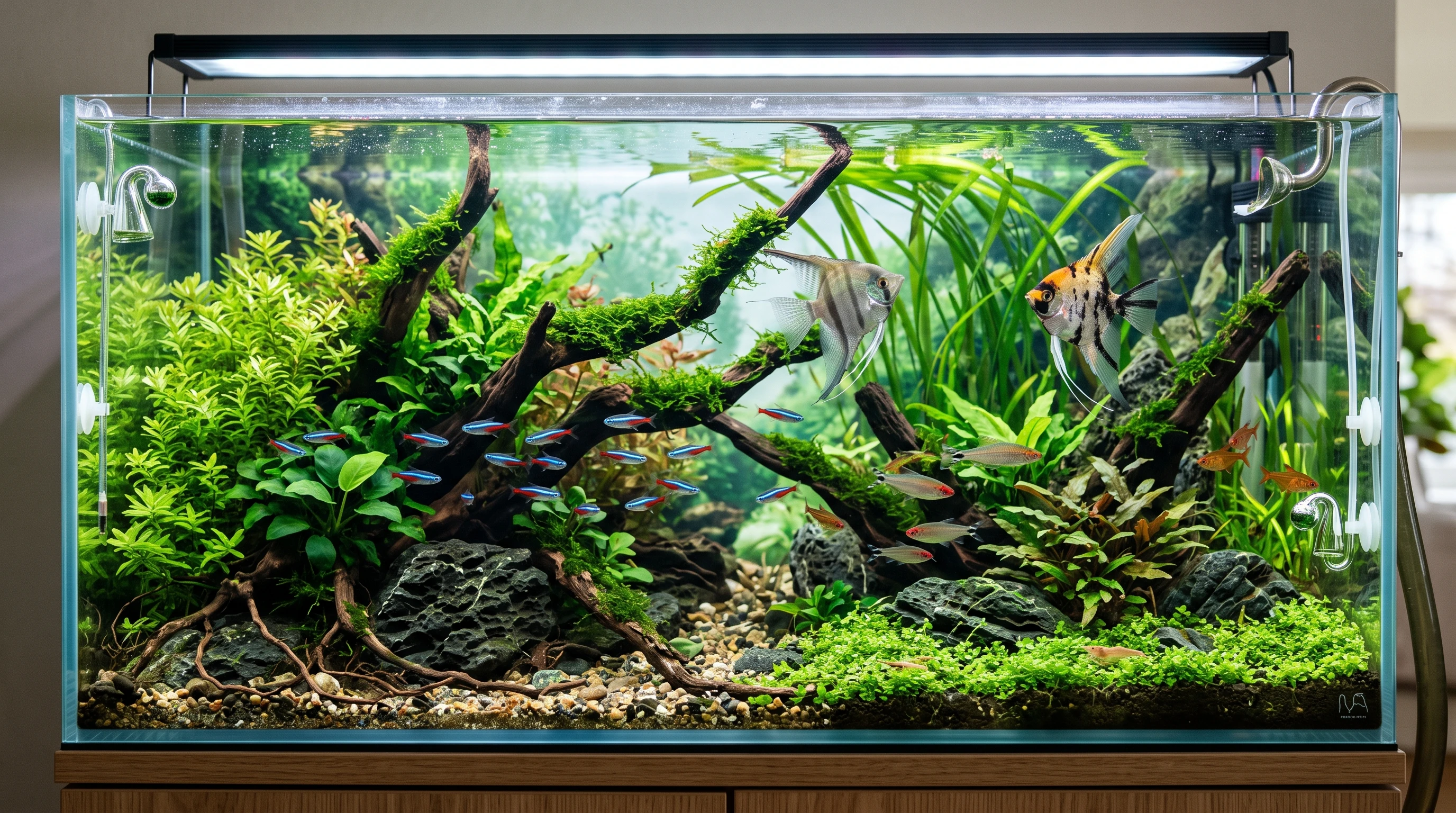
There’s plenty of appeal to having an aquarium on display. Fish tanks aren’t just for hobbyists or kids’ rooms; they’re perfect for anyone who wants a peaceful element in their space, enjoys observing animals, or even wants to explore aquatic gardening. Aquariums have been shown to help with stress, and the gentle hum of bubbles could create a relaxing atmosphere in your home or office. For some, it’s about building a small ecosystem and learning how it all works together. No matter the motivation, picking the right setup can mean the difference between an easy routine and extra headaches down the line.
Main Types of Aquariums to Consider
The aquarium world isn’t one size fits all. Here are the main types you’ll probably come across as you plan your first tank:
- Freshwater Aquariums: Great for newcomers or anyone looking for a bit less maintenance and more affordable costs.
- Saltwater Aquariums: Vibrant colors, interesting species, but more demanding and often pricier to maintain.
- Brackish Aquariums: A mix between freshwater and saltwater, with unique care requirements and specific fish choices.
- Specialty Setups: Includes planted tanks, species focused aquariums (like shrimp or cichlid tanks), and even biotope tanks that mimic specific natural habitats.
Each style offers something a bit different, so thinking about your goals and your lifestyle makes narrowing down the options a lot easier.
Getting Started With Your Aquarium Choice
If you haven’t picked up a water test kit or even peered into the fish section at your local pet store yet, knowing what goes into a tank can help you set your expectations. Freshwater setups tend to be less expensive to start with, and there’s a huge variety of hardy fish and snails to choose from. Saltwater tanks open the possibility for stunning corals and marine fish, but the extra equipment and maintenance isn’t for everyone. Brackish systems are less common, but they’re an option if you love the idea of something a little more unusual, like keeping pufferfish or certain gobies.
Along with the type of water, you’ll need to decide if you want to include live plants, if you’d like just a few big fish or a whole bunch of little ones, and what sort of look you’re aiming for. There’s a tank setup for just about any level of experience and any kind of interest.
Checklist: Choosing the Right Aquarium for You
- Think About Your Space: Take a look at where you’d like to put your aquarium. Tanks come in all sizes, but a larger tank actually means more room for error and easier upkeep, while a small tank needs more frequent care.
- Decide on Your Budget: Factor in the cost of the aquarium, filter, heater, lighting, decorations, and ongoing supplies. Saltwater tanks are generally more expensive, while freshwater setups are often easier on the wallet.
- Consider Your Time Commitment: Some tanks only need 30 minutes of weekly maintenance, while others call for a couple of hours and careful monitoring.
- Pick the Fish (or Plants) That Excite You: Certain species only thrive in specific setups. If you’re set on a neon tetra school or want to keep delicate corals, your decision on tank type is pretty much made for you.
- Research Local Water Quality: Find out if your tap water is soft or hard, and whether it’s treated with chemicals like chlorine. Some setups will need more preparation than others.
What to Look Out for Before Buying
Everyone’s situation is different, but being aware of common hiccups helps you avoid frustration later. Here are a few to keep in mind:
- Cycling the Tank: Every aquarium has to build up beneficial bacteria before adding fish safely. This process can take anywhere from a few weeks to over a month.
- Compatible Fish and Plants: Not all fish and plants play nicely together. Research what works well in groups or with other species, and what needs a solo tank.
- Equipment Quality: It’s tempting to save money on a filter or heater, but these are super important for stable and healthy tanks. Reliable gear pays off in the long run.
- Water Changes: Regular partial water changes are key to keeping fish healthy. Some tanks, like densely planted or superstocked setups, need more frequent care.
- Unexpected Costs: Budgets can get stretched if you want rare fish, live rock, custom stands, or top quality lighting. Planning ahead for upgrades helps.
Cycling the Tank
This is basically preparing your tank to handle fish waste by growing helpful bacteria that break down toxins. Skipping this step or rushing it is a common reason for problems down the road. I always tell new aquarists to be patient during cycling; it pays off with healthier fish in the end. There are lots of test kits and starter bacteria on the market to help speed things up a bit.
Caring for Your Fish and Plants
Some fish need certain water parameters or only thrive with their own species. Watching a peaceful community tank full of happy fish is really rewarding, but that only happens when you pick fish and plants with similar needs. Read up and ask questions at pet stores before committing.
Investing in Good Equipment
A sturdy lid, a filter sized for your tank, and a dependable heater for tropical tanks keep things running smoothly. You don’t need to go for the fanciest brands, but solid, well reviewed equipment is a reliable bet for beginners and beyond.
Extra Tips for Deciding on Aquarium Types
The more you learn, the better your choices will be. Here are a few tips I found helpful when I was picking out my own tanks:
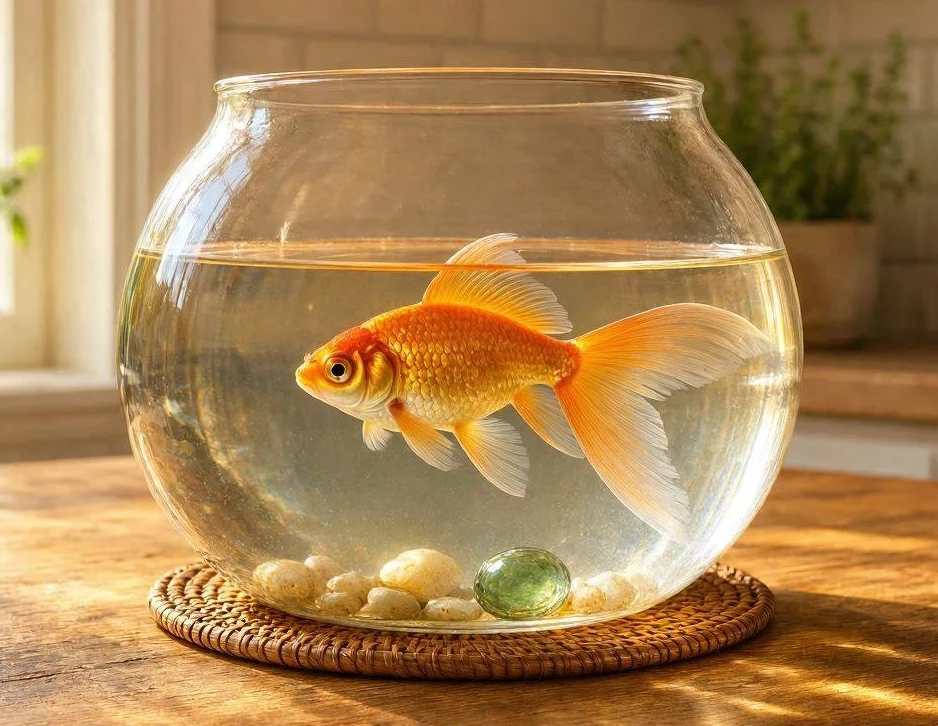
Start With Freshwater If It’s Your First Tank: They’re more forgiving and give you lots of options, from simple goldfish bowls to themed aquascapes crowded with live plants.
Check Out Aquarium Communities: There are loads of online forums, subreddits, and local clubs where you can see real life setups and ask questions. These spaces are super useful for learning from others’ mistakes and successes.
Choose Fish and Plants You’ll Want to Watch Every Day: There’s nothing worse than spending money and time only to get bored with what’s swimming in your tank. Pick species that you’re genuinely interested in, and your aquarium will stay fun for years.
What You Need on Your Shopping List
- Tank and Stand: Make sure the stand is built to hold the weight of a full tank.
- Filter: A must for keeping water clean and clear.
- Heater (for tropical setups): Keeps water at the right temperature for fish health.
- Lighting: Needed for plant growth and to show off your tank’s colors.
- Substrate: Gravel, sand, or specialty soils for certain setups.
- Decor: Rocks, plants, driftwood, and other items for both cover and a cool look.
- Water Test Kit: Helps track water quality and spot problems early.
Getting these basics set up means you’ll be in a good spot to enjoy your aquarium with fewer problems as you go.
Common Questions People Ask About Aquarium Types
Question: Is a saltwater tank really that hard to care for?
Answer: Saltwater tanks need more gear and closer attention to water changes and chemistry. Totally possible with the right research and prep, but they take more work than freshwater.
Question: Can I switch a freshwater tank to saltwater later?
Answer: It’s possible for many tanks, but certain equipment like filters and heaters might need upgrading or swapping. You’ll need to empty the tank first and thoroughly clean everything.
Question: How big should my first tank be?
Answer: Too small can be tricky, as water conditions change quickly. Something around 20 to 30 gallons is big enough to offer flexibility but still manageable for most people.
Tying It All Together: Making the Right Aquarium Choice
Picking an aquarium is about more than just looks. It’s about matching your interests, budget, and lifestyle to a tank setup that fits you. Whether you go for a peaceful planted freshwater tank, an exciting reef system, or something totally unique, you’re setting up a space filled with movement, color, and maybe even a little learning along the way. Take your time, read a bit, and make a choice that fits both your space and your daily routine. Your aquatic adventure is just getting started.