
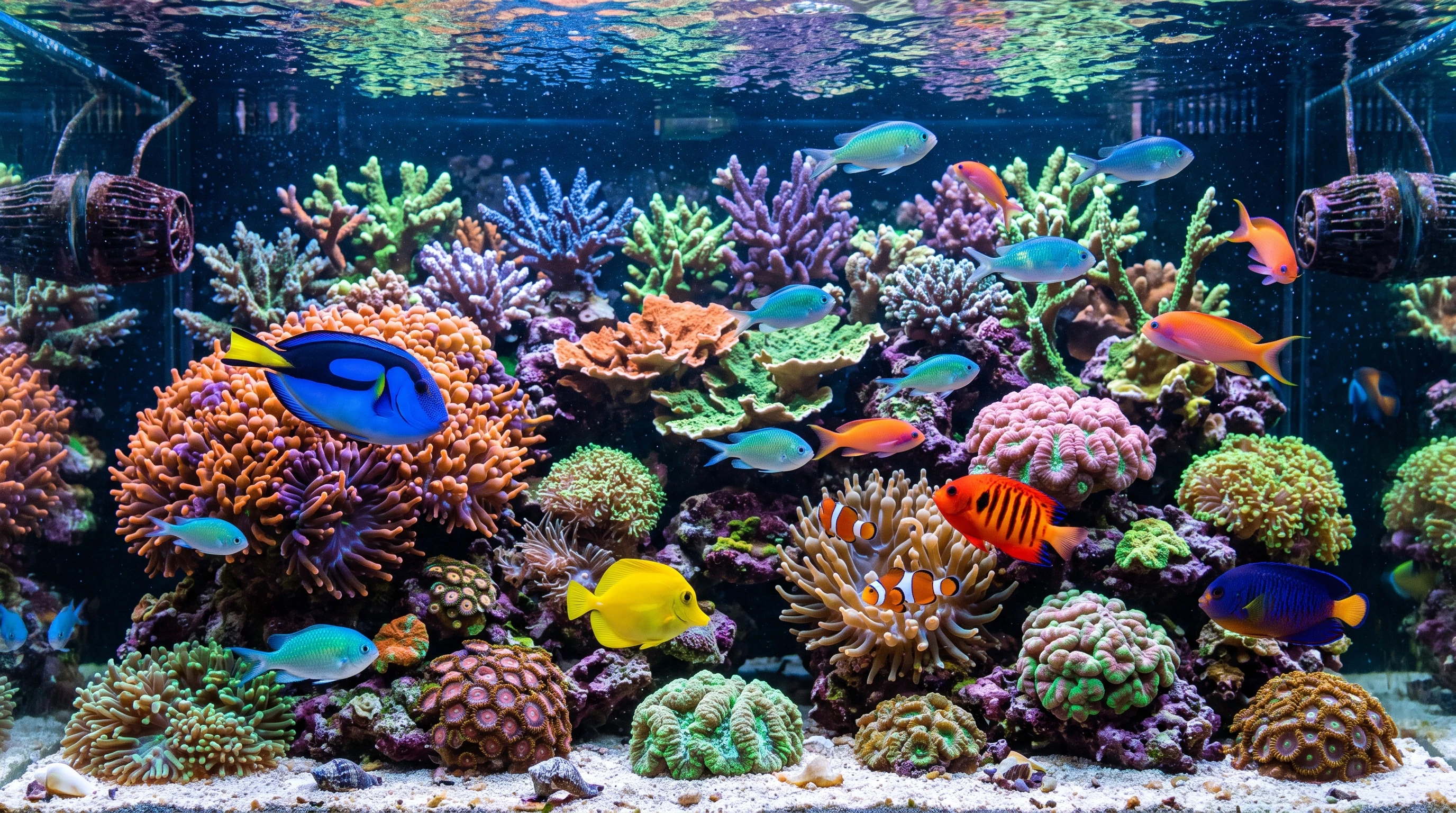
If you’re thinking about running a saltwater aquarium, it’s easy to get swept up by the eye-catching coral colors and the lively marine life. These tanks can bring a piece of the ocean right into your home, making any space feel more vivid and relaxing. But as stunning as saltwater aquariums look, keeping them thriving does require know-how and dedication. I’m here to share what I’ve learned about maintaining a saltwater aquarium, breaking down the essentials, how to avoid common pitfalls, and sharing tips that will help keep your underwater world vibrant and healthy in the long run.
How Challenging is It to Maintain a Saltwater Aquarium?
Saltwater aquariums do need more attention when compared to freshwater tanks. There’s a bit more science involved in keeping saltwater stable. Instead of just topping up with water and feeding fish, you’re juggling things like salt levels, specialized equipment, and a wider selection of marine creatures. However, this doesn’t mean the process is overly complex; it’s completely manageable with consistency. Once you have a solid routine, the care process becomes straightforward and even enjoyable.
The learning curve can be steep, especially if you’re brand new, but you don’t need to be a marine biologist. With a bit of prep, reliable test kits, and steady habits, anyone can keep a tank looking sharp. Start with a manageable tank size, read up on your chosen species, and lock down your weekly chores early. This approach helps lay a steady foundation for success.
Setting up Your Saltwater Aquarium for Long-Term Success
Getting your setup right in the beginning will save you endless headaches later. Here’s my jumpstart checklist for a solid foundation:
- Pick the Right Tank Size: Larger tanks hold water chemistry steady better. I always recommend starting at 30 gallons or bigger—it gives you more room to work with and is more forgiving of mistakes.
- Invest in Quality Equipment: A dependable filter, protein skimmer, heater, and plenty of live rock for biological filtration are must-haves. Skimping here will just lead to problems later.
- Mix and Cycle Properly: Always use a top-notch marine salt mix with filtered water (RO/DI works best). Take at least four weeks to cycle the tank before adding any fish or corals, patience pays off big time.
- Salinity Checks: Accurate salinity readings are essential. Stick to a specific gravity between 1.024 and 1.026. A refractometer is best for reliable results.
- Add Live Sand and Rock: Not only do these help filter your tank naturally, but they also create hiding spots and structure, making your aquarium look great from day one.
Allow your tank to fully cycle. That includes waiting for ammonia and nitrite levels to drop to zero. Some aquarists even add bio-boosting bacteria boosters during this time to speed things up, but patience still wins in the end. Good setup habits here mean fewer headaches later on.
First Water Change Timing for a New Saltwater Tank
Your first water change should be tied to your tank’s cycling process. Typically, after four to six weeks, once both ammonia and nitrite levels sit at zero and nitrates are below 20 ppm, it’s time. Change out 10–20% of the total water. This pulls lingering waste, evens out water chemistry, and creates safer conditions for your first hardy fish to move in.
If you use live rock in your cycling phase, it’s helpful to test weekly for ammonia, nitrites, and nitrates. That way you can track changes and jump in with your first water change at the best time, not just on a set date.
Day-to-Day and Weekly Saltwater Aquarium Maintenance
Keeping your saltwater tank healthy is mostly about building great weekly habits. Here are my go-to regular maintenance tasks:
- Top Off with Freshwater: As water evaporates, add only RO/DI or distilled water. This prevents salinity from creeping up and keeps levels steady.
- Feed Carefully: Overfeeding is a common mistake and causes nutrient spikes. Feed once per day and clear out leftovers so they don’t rot.
- Monitor Equipment: Check heaters, filters, pumps, and lights for smooth operation. A quick daily glance can catch early issues before they become problems.
- Clean Glass: A few swipes with a magnetic glass cleaner or scraper combat algae before it builds up and blocks your view.
I also make a point to test water for ammonia, nitrites, nitrates, pH, and salinity each week. If your tank has corals or particularly sensitive species, check alkalinity, calcium, and magnesium as well to keep your marine friends in top shape.
Monthly and Deep-Cleaning Tasks
Beyond weekly upkeep, your tank benefits from deeper monthly attention. Here’s my routine:
- Change out 10–20% Water: Doing this every two to four weeks flushes out accumulated waste and replenishes vital minerals for fish and corals alike.
- Rinse Filters: Clean filter media with water removed from the tank (not fresh tap) to preserve helpful bacteria while clearing gunk.
- Vacuum the Sand Bed: Gently siphon debris from the sand surface to prevent detritus buildup. No need to go deep—just skim the top.
- Wipe Down Lights and Lids: Salt spray hits everywhere. Cleaning these areas keeps your gear lasting longer and ensures the tank always looks its best.
These monthly chores don’t take long, but doing them like clockwork keeps your water clear and your ecosystem stable.
Common Problems in Saltwater Aquariums (and How I Deal with Them)
Even after years in the hobby, I occasionally stumble upon challenges. Here are some of the most frequent issues and my go-to fixes:
- Algae Overgrowth: Usually comes from lights being on too long or excess nutrients. Cut feeding, keep tank lights to 8–10 hours, and never slack on your water changes.
- Cloudy Water: Driven by bacterial blooms from too much organics. Make sure filters are in top shape and consider lowering feeding frequency.
- Fish Disease and Stress: Quarantine all new fish before introducing them. Watch for white spots (itch), labored breathing, or strange behaviors. Treat issues as soon as they’re spotted by isolating the sick fish and using the right meds.
- Salinity Fluctuations: Topping off with saltwater instead of freshwater is a common slip. Always top off with freshwater only to keep things steady.
- Equipment Breakdown: Pumps and heaters wear out, sometimes suddenly. Keep spares handy, especially a simple thermometer and extra water circulation pump just in case.
If your aquarium suddenly looks off, resist the urge to switch up everything at once. Double-check water parameters, scan for stuck or broken gear, and address problems one by one. Quick action can usually set things right again without hassle.
Advanced Tips to Keep Saltwater Aquariums Thriving
Once your tank’s in a good rhythm, there are fun ways to take it up a notch and make your setup really shine. Here’s what’s worked for me:
- Stabilize Temperature: Marine fish dislike temperature changes. Place your tank away from drafts and direct sunlight. Always double-check your heaters before extreme weather seasons.
- Choose Livestock Thoughtfully: Some creatures just can’t get along or may be predatory. Double-check compatibility charts and always ask questions at your aquarium store before you buy anything new.
- Upgrade Lighting for Corals: Hard corals need strong light. Invest in good LED or T5 fixtures if you’re serious about coral growth; your tank will look stunning.
- Try an Auto Top-Off System: These gadgets are worth every penny for busy aquarists and help fractionalize salinity fluctuations while saving you manual effort.
- Install a Protein Skimmer: Removing dissolved organics early keeps the water clearer and helps you keep more marine life in perfect shape.
You don’t need all the latest gear, but every upgrade can save time, step up tank stability, or support more advanced aquascape. As you gain experience, you’ll naturally mix in ideas that fit your aquarium’s unique vibe and your schedule.
How Long Do Saltwater Aquariums Last?
Well-maintained saltwater tanks can last for decades. Glass or acrylic tanks are sturdy, often holding up over 10–20 years or longer, if cared for properly. Equipment like heaters and pumps usually need replacement every three to five years. The best part, though, is the actual marine life—many saltwater fish live five to ten years, with some corals and invertebrates thriving for much longer when water conditions are just right.
Your aquarium will stick around as long as you look after it. Avoid dropping rocks or scraping glass, and you’ll keep that mini-ocean running strong for years. Many reef keepers find themselves upgrading or redesigning their tanks long before the tank itself wears out!