
Getting your aquarium lighting schedule right plays a big role in how healthy your fish are and how well your tank flourishes. Lighting is not just about making things look bright and cool. It shapes behavior, sleep cycles, growth, and even algae outbreaks. When I set up my first real tank, I was surprised by just how much happier and healthier my fish became with a few simple lighting tweaks. If you’re looking to keep your fish in top shape and your aquarium looking good, a consistent lighting schedule is something you’ll want to pay attention to.
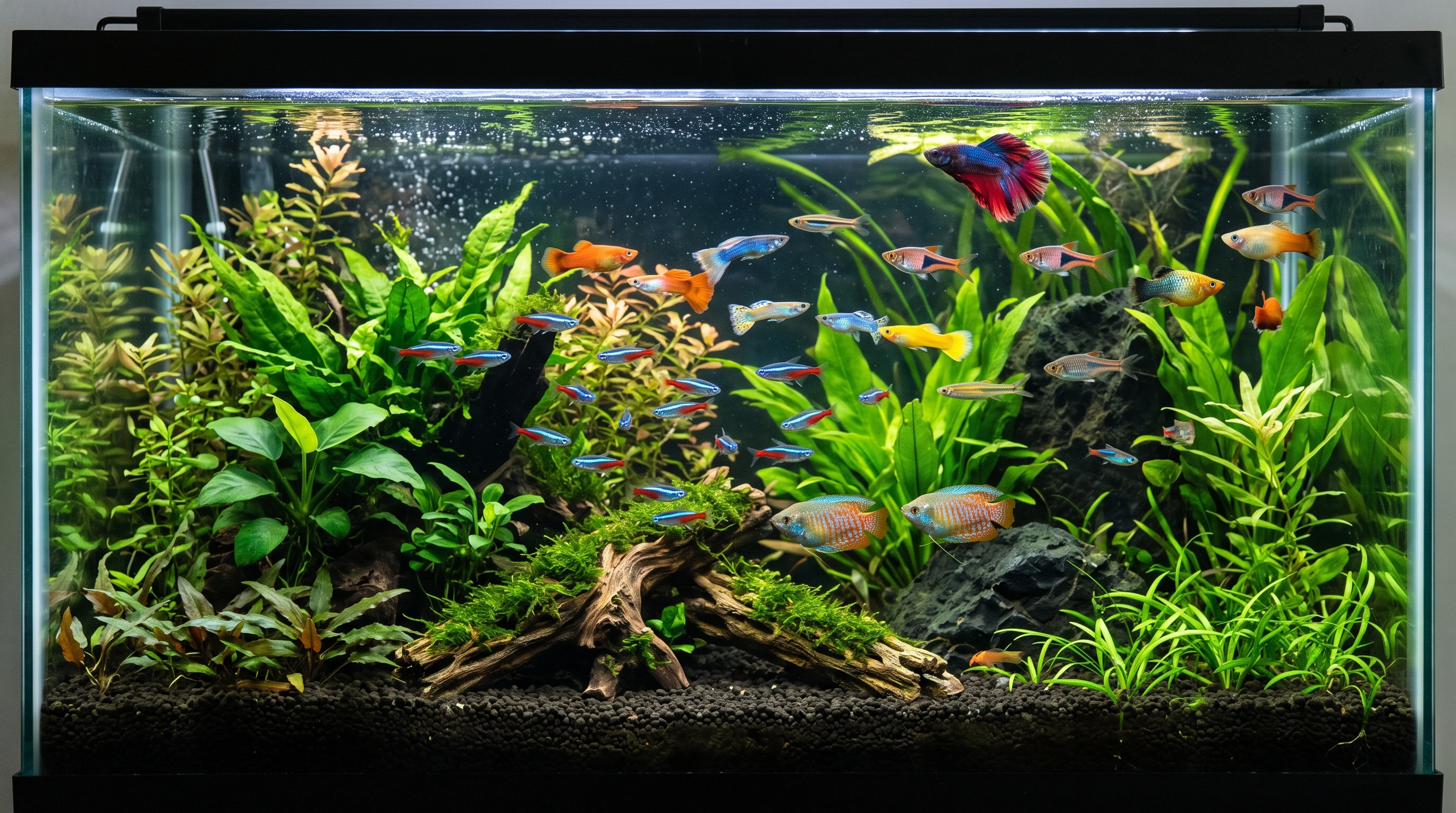
Why Aquarium Lighting Matters for Fish Health
Lighting isn’t just there to show off your fish. It does make those colors pop, but fish and aquatic plants rely on light to stay healthy and display natural behaviors. In their natural habitats, fish rise with the sun and settle down when it sets. Mimicking this pattern in your tank helps them feel comfortable, keeps stress low, and supports their natural rhythms.
Fish don’t technically sleep like humans, but they go through periods of rest, which are usually tied to when the lights are off. If your aquarium lights are always on (or go on and off at random), fish can get stressed, tired, or even sick. Plus, too much or inconsistent light can lead to other problems like rapid algae growth or sluggish plant health.
The Best Aquarium Light Schedule for Fish
The sweet spot for aquarium lighting is about creating a stable environment. For most freshwater tanks, aiming for 8 to 10 hours of light each day works well. This lines up with the natural day-night rhythm most fish are used to, supporting both their health and your aquarium plants (if you have them). Here’s a super common schedule that works for a lot of tanks:
- Daytime: Lights on for 8-10 hours (for example, 10 a.m. to 6 p.m.).
- Nighttime: Lights off for 14-16 hours. Let your fish settle and rest in peace, just like they would in the wild.
Using a timer is pretty handy for this. You won’t have to remember to switch the lights manually; it keeps things consistent so your fish aren’t surprised by sudden changes. If you have live plants, a set window of light is super important, since plants also depend on a steady rhythm for photosynthesis.
How Long Should Aquarium Lights Stay On?
Finding the right on-off schedule isn’t one-size-fits-all, but most fish tanks do well with 8 to 10 hours of lighting. Exceeding 12 hours often encourages more algae than you’ll want to deal with, and less than 6-7 hours can slow down plant growth and leave your fish confused. I’ve found that some sensitive species, like certain tetras or bettas, stay healthier with closer to 8-hour days, since too much light makes them skittish or more stressed.
If you’re seeing algae everywhere, try reducing light by 30 minutes per day for a week. Just don’t make big changes overnight, as fish appreciate routine. On the flip side, if your plants are droopy or stunted, gently increase light by 10-15 minutes at a time and see how plants and animals respond. Small, gradual changes let you spot what really works for your tank.
Best Aquarium Lights for Fish Health
Good aquarium lights do more than provide brightness. They deliver the right spectrum for both fish and any living plants. Here are a few types I recommend checking out if you want satisfied, healthy fish:
- LED Aquarium Lights: These are energy efficient, rarely overheat your water, and offer a customizable range of brightness and color. Most modern LED systems even let you simulate sunrise and sunset, which is awesome for sensitive species.
- Full Spectrum Lights: Full spectrum bulbs or LEDs provide all the wavelengths needed for natural color and healthy plant growth. They’re especially good if you keep live aquatic plants.
- Programmable Lights: Some fancier LED setups let you set custom schedules, gradually increasing and decreasing light to reduce stress on fish, similar to sunrise and sunset in nature.
There are popular and reliable choices for everyone’s budget, no matter if you choose from manual or fancy programmable lights.
Setting Up a Consistent Lighting Routine
A steady routine is really important for tank life. Here’s how to start with a reliable aquarium lighting schedule:
- Pick a starting “daytime” period that fits your routine. (If you want to see your fish after work, set the timer for the afternoon to evening.)
- Set your light timer for 8-10 hours of “on” time. Automatic timers are inexpensive and cut out the stress of remembering.
- Watch your fish and plants for a few weeks. Healthy fish will be active during light hours, and you’ll notice less algae overgrowth with a controlled schedule.
- Aim for consistency. Avoid big, sudden changes that can confuse or stress out your tank inhabitants.
Common Lighting Problems and How to Fix Them
- Algae blooms: These can explode with too much light or a schedule that’s irregular. Try trimming back the lighting by 30-60 minutes each week, and do regular water changes to keep things balanced.
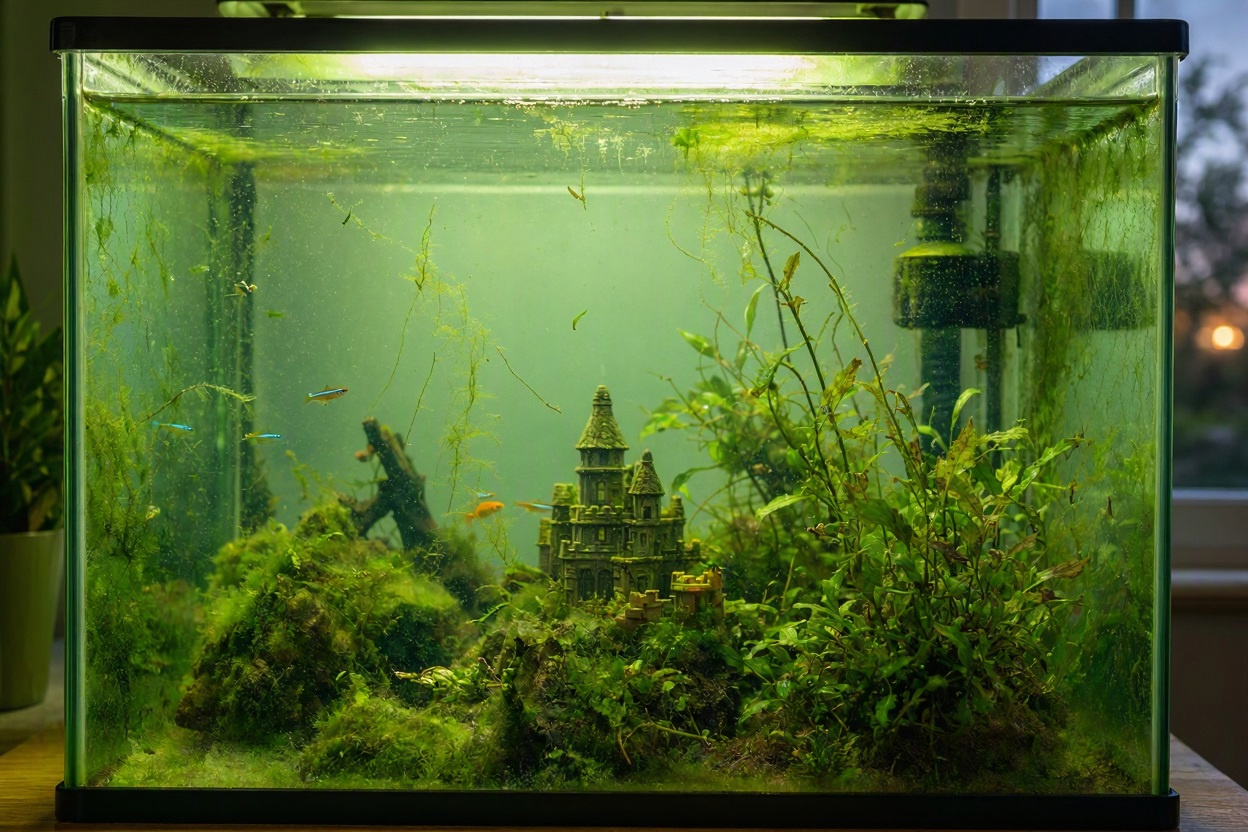
- Fish hiding or acting stressed: Fish that dart around, hide, or lose color may be getting too much light, or experiencing too sudden a change in light. Drop the daytime window or add floating plants or shade near the surface for cover.
- Dull colors in fish: Poor lighting makes fish fade, while a good full spectrum lamp will make their natural colors brighter.
- Plant leaves turning yellow or brown: Not enough light can leave plants unhappy. Adjust the photoperiod slowly, or swap your bulb for a better quality full spectrum light.
Extra Tips for Plant and Fish Balance
If you run a planted tank, both fish and plants need to share the spotlight (literally). Some heavily planted aquariums can handle up to 12 hours of light, but most will thrive between 8 and 10 hours. Fast growing stem plants or red aquatic plants sometimes need a bit more intensity, so you can raise light power in small increments and watch how fish react closely.
Aquariums with only fish (no live plants) can do perfectly well with as little as 7-8 hours per day, since fish don’t need intense light to thrive. Less light usually means less algae, too. If you’re managing both fish and lots of plants, start at 8 hours, increase slowly if things look healthy, and stick to a regular routine with your timer for best results.
Frequently Asked Questions
Question: What’s the best light schedule for a beginner’s freshwater aquarium?
Answer: Start with 8 hours of light each day (set with a timer), ideally between late morning and early evening. Adjust in 15-30 minute steps if you spot algae issues or sluggish plants. Many beginners like the reliability and simplicity of programmable LED strips.
Question: Can I leave my aquarium lights on all night?
Answer: It’s not a good idea. Fish need a dark period to rest and stay healthy. Leave lights off for at least 12-14 hours; your fish (and your electricity bill) will thank you for it.
Question: What’s a good, affordable aquarium light for fish health?
Answer: The NICREW LED Aquarium Light is a really good starter option. It’s budget friendly, bright enough for most tanks, and doesn’t overheat your water. If you want more control, Finnex and Fluval both offer adjustable and programmable models for a bit more money.
Question: How do I cut back on algae caused by lighting?
Answer: Shorten your lighting period by 30 minutes to an hour, lower room lighting near the aquarium, and keep up with regular maintenance, like water changes and algae scrubbing.
Final Thoughts
Setting a good aquarium lighting schedule is a simple way to support fish health and keep your tank looking great. Whether you’re running a basic freshwater setup or a lush planted display, a consistent day-night rhythm makes life easier for both the fish and you. Watching your fish thrive under natural, stable lighting is honestly one of the most rewarding parts of the hobby.
Finding the right lighting system, tracking your fish’s behavior, and being patient with routine tweaks always pays off. The key is keeping things regular, observing your tank, and adjusting as needed. Happy fish and happy tank mean happy hobbyist; the circle of aquarium life feels pretty satisfying when you get it right.