
Training your pet to love their bed isn’t just about comfort; it plays a real role in shaping positive habits and a peaceful home. Where you put that cozy spot can make a huge difference in how quickly your dog, cat, or even your rabbit gets the message and chooses their bed over your favorite chair. I’ve spent a lot of time working with pets in my own home and helping friends troubleshoot the classic “my dog won’t use their bed” problem. So, I’m going to break down some down-to-earth tips on pet bed placement to set up your buddy (and you) for a smooth training experience.
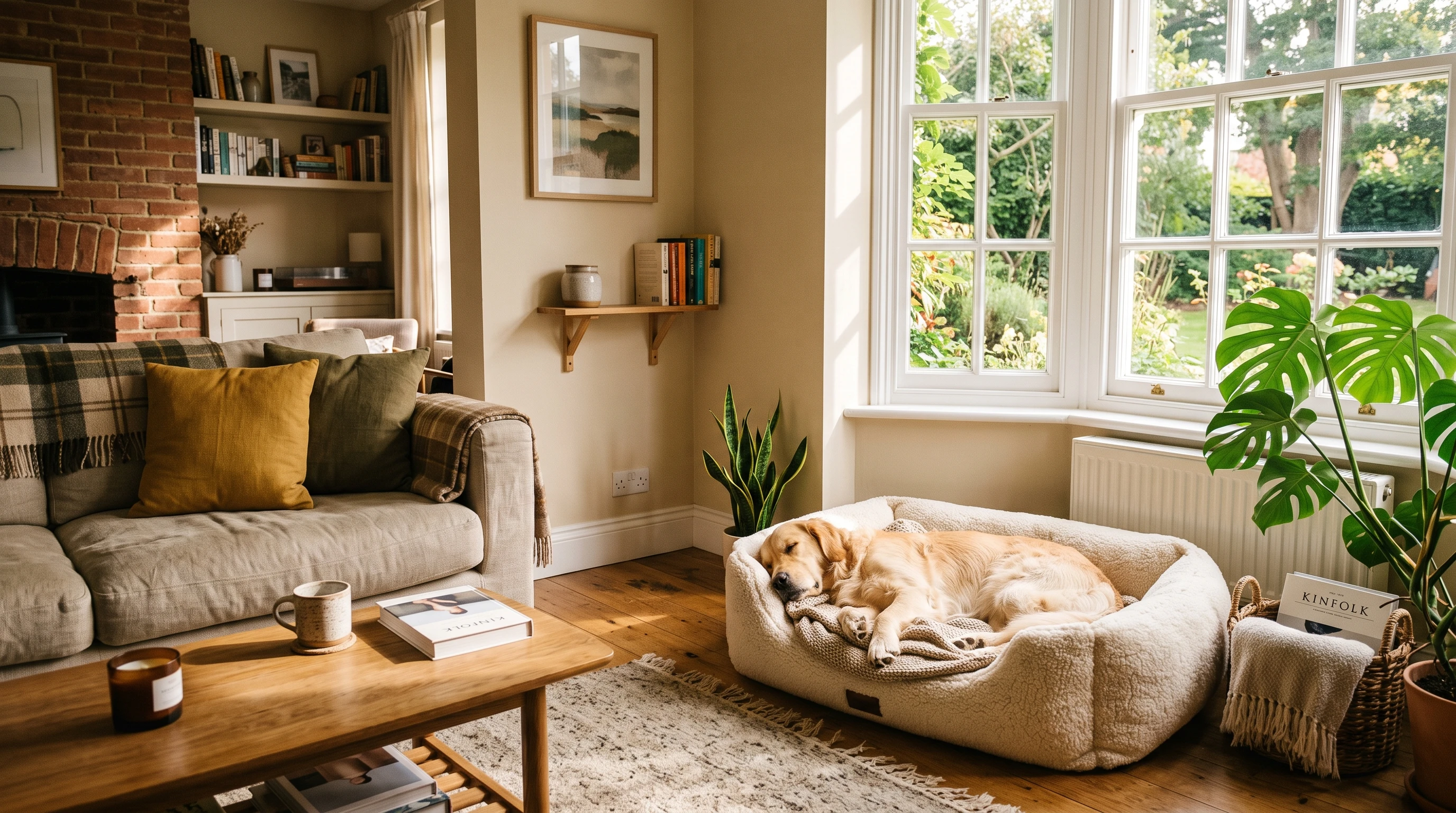
Why Pet Bed Placement Matters for Training
Pet bed placement directly influences how inviting and safe the bed feels for your animal. When you get it right, your pet learns much faster to go to their bed when told, and they’re more likely to stick with the habit over time. A bed that’s tucked away somewhere drafty, noisy, or crowded usually gets ignored, while a bed that feels sheltered, comfy, and part of the main action tends to be a pet magnet. Understanding your pet’s personality and habits is a great way to set up a winning training environment.
Research from veterinary behaviorists shows that pets build positive associations with spots where they feel safe yet aren’t cut off from what’s going on. For dogs and cats, that means a balance between quiet, secure corners and locations where they can still keep an eye on their family. This placement strategy helps with everything from basic obedience to easing separation anxiety. Plus, when the space feels just right, pets tend to develop a routine much faster, cutting down on stress for both of you.
Setting Up the Right Environment: What to Keep in Mind
The spot you pick for your pet’s bed should work with, not against, your training goals. Your pet’s age, energy level, and personality all play a part. Puppies and kittens may need fewer distractions, whereas adult pets often just want a comfy spot with a good view of the action. Senior pets in particular benefit from a space that offers easy access and a soft landing for their joints.
- Temperature and Drafts: Choose a location that’s away from cold drafts, direct sunlight, or vents. Pets want to feel cozy but not overheated or chilly.
- Noise Levels: Avoid putting the bed right next to noisy appliances or heavy foot traffic (like a washing machine or the front door).
- Visibility and Access: Most pets like being part of the family. A bed that faces the room or is near family hangout zones helps your pet feel included. This also makes redirecting your pet to their bed easier, especially during training sessions.
- Safety: Make sure the bed isn’t in a spot with electrical cords, sharp corners, or where doors might unexpectedly open and bump your pet.
Think about your household’s daily rhythm when picking the spot. A bed near a window gives cats the fun of bird-watching, while a dog might prefer settling where they can see the front door but not be startled every time someone comes and goes.
Step-by-Step Guide to Choosing the Ideal Spot
Getting the placement right can really speed up training. Here’s how I go about finding the perfect location for a pet bed:
- Watch Your Pet: Start by noticing where your pet already likes to nap. If your cat always snoozes in a sunny corner or your dog curls up near the couch, use that as a clue.
- Test Drive the Spot: Temporarily put the bed in a few different places. See which spot your pet chooses; sometimes they’ll let you know with zero doubt!
- Consistency Helps: Once you find a winning spot, keep the bed there. Moving it around too much can confuse your pet and make them less likely to use it.
- Encourage Use: Guide your pet to their bed with treats, toys, or even a little bit of your worn clothing for reassurance. Praise and gentle encouragement add to the positive vibes.
Mixing practical observation with gentle encouragement is usually the fastest way to help pets connect the dots. Over a little time, you’ll see your pet head for the bed all on their own, especially if you’re patient and consistent with rewards.
Common Placement Mistakes and How to Avoid Them
Even with the best intentions, I see a lot of pet parents make similar mistakes. Here’s what to look out for:
- Out of Sight, Out of Mind: Don’t hide the bed in a back room and expect your pet to use it. If it’s too far from where family activity happens, your pet may ignore it.
- Too Much Excitement: Placing a bed in the middle of play zones, like right next to a busy hallway or the TV, can make it tough for your pet to settle down.

- Ignoring Personality: Some pets love being in the center of the action, while others prefer peace and quiet. Match the placement to how your pet likes to relax. For example, nervous pets might sleep better with their backs to a wall and a clear line of sight to the door.
Small adjustments in placement can have a big impact, so it’s worth experimenting a bit if your pet isn’t taking to their bed right away. Remember, every pet is unique, so don’t be afraid to switch things up a couple of times to find the best spot.
Advanced Tips for Specific Behavioral Training
Bed placement plays a special role in a few key training scenarios. Here are a few common ones I’ve come across:
Teaching “Place” or “Go to Bed” Commands: Put the bed where you want your pet to settle during certain times (like when guests arrive). Practice guiding your pet there with a treat and a cue word, and keep the location consistent for quicker learning.
Crate and Bed Combo: For crate training, pop the bed inside the crate and set the crate in a family area, like a corner of the living room. Most pets feel better training in a space where they’re not isolated. You can also drape a breathable blanket over the crate for dogs or cats that crave an extra sense of den-like security.
Multipet Households: If you’re training more than one pet, try setting up beds in the same room but with some distance between them. This cuts down on bed-stealing and sets clear boundaries, making everyone feel secure.
Using the right placement not only helps build good habits, it also tackles behavioral hiccups like begging at the table, door rushing, or separation troubles. For reactive pets, creating a predictable bed routine gives them a stable “home base.”
Real-Life Examples and Observations
In my own home, I used to struggle with my dog, Rufus, choosing the hallway over his bed every time. I finally realized the bed was near an air vent, which made it drafty. Moving it to a snug corner by the couch worked wonders; he settled in right away. Friends with cats have had luck putting beds on window perches, letting their cats watch the world go by, which keeps them entertained for hours.
Another friend with two dogs sets up both beds on opposite sides of the couch. Her dogs each get their own spot but remain together, which keeps them happy and cuts down on squabbles. For pets with anxiety, placing the bed in a predictable, quiet nook has often helped set a relaxing ritual before bedtime.
Extra Details: Making the Bed More Inviting
Placement gets your pet part of the way there, but comfort and familiarity make a difference too. Add a familiar blanket, sprinkle a favorite toy or two on the bed, or rub the bedding with your hands to transfer scent. If you’ve adopted a nervous or shy pet, starting with the bed close to your own sleeping area and gradually moving it can help build independence at a pace that feels good for your pet.
Every so often, give the bedding a wash, especially if you’re using treats and rewards, to keep it fresh and inviting. Some pets like covered beds that mimic dens, and these can be a good solution for animals who seem uncomfortable out in the open. Also, keep in mind that rotating toys keeps the bed feeling new and exciting, making your pet want to use it even more.
Frequently Asked Questions About Pet Bed Placement and Training
People often ask me these questions when setting up beds for their pets:
Where should I put my puppy’s bed at night?
Answer: For the first few nights, keep your puppy’s bed near where you sleep. This helps with bonding and can ease nighttime anxiety. As your puppy grows more confident, you can slowly move the bed to the location you’d like long-term. Nighttime routine matters, so remember to keep the space quiet but close for reassurance.
Is it ok to have multiple beds for my pet?
Answer: Absolutely! Multiple beds give your pet options, especially if your home has several family activity zones. Just make sure each one is in a spot that checks the comfort and safety boxes. Having a bed in your home office, living room, and even a quiet corner gives your pet freedom to be near you no matter which room you’re in.
Are window beds good for cats?
Answer: Window beds are a favorite for a lot of cats! If you have a window perch that’s safe and secure, it’s a great spot for a cat bed. Just watch for direct sun that might make the bed too hot. Cats love having a spot up high where they can observe everything in comfort.
Wrapping It Up
Pet bed placement is one of those details that’s easy to overlook but makes a real difference when you’re training your furry friend. Pick a cozy, inviting spot that fits your pet’s needs and daily life, and use a bit of creativity to help them feel at home. Consistency and patience always pay off; and there’s nothing better than watching a pet curl up happily in a spot they know is truly theirs. Take your time, experiment with what works best for your home and pet personality, and you’ll both reap the rewards.
Give it a try, play around with placement, and enjoy the peace (and pet hair free furniture) that comes from successful training!