
If you’re shopping for a pet bed and find yourself torn between basic and luxury models, you’re not alone. Whether you’ve just adopted a new furry family member or you’re updating your pet’s old bed, figuring out what actually separates a luxury bed from a basic one can get confusing fast. I’ve tested and researched dozens over the years for my own pets, so I’ll break down the most practical differences and what really matters for pets, and for your budget.
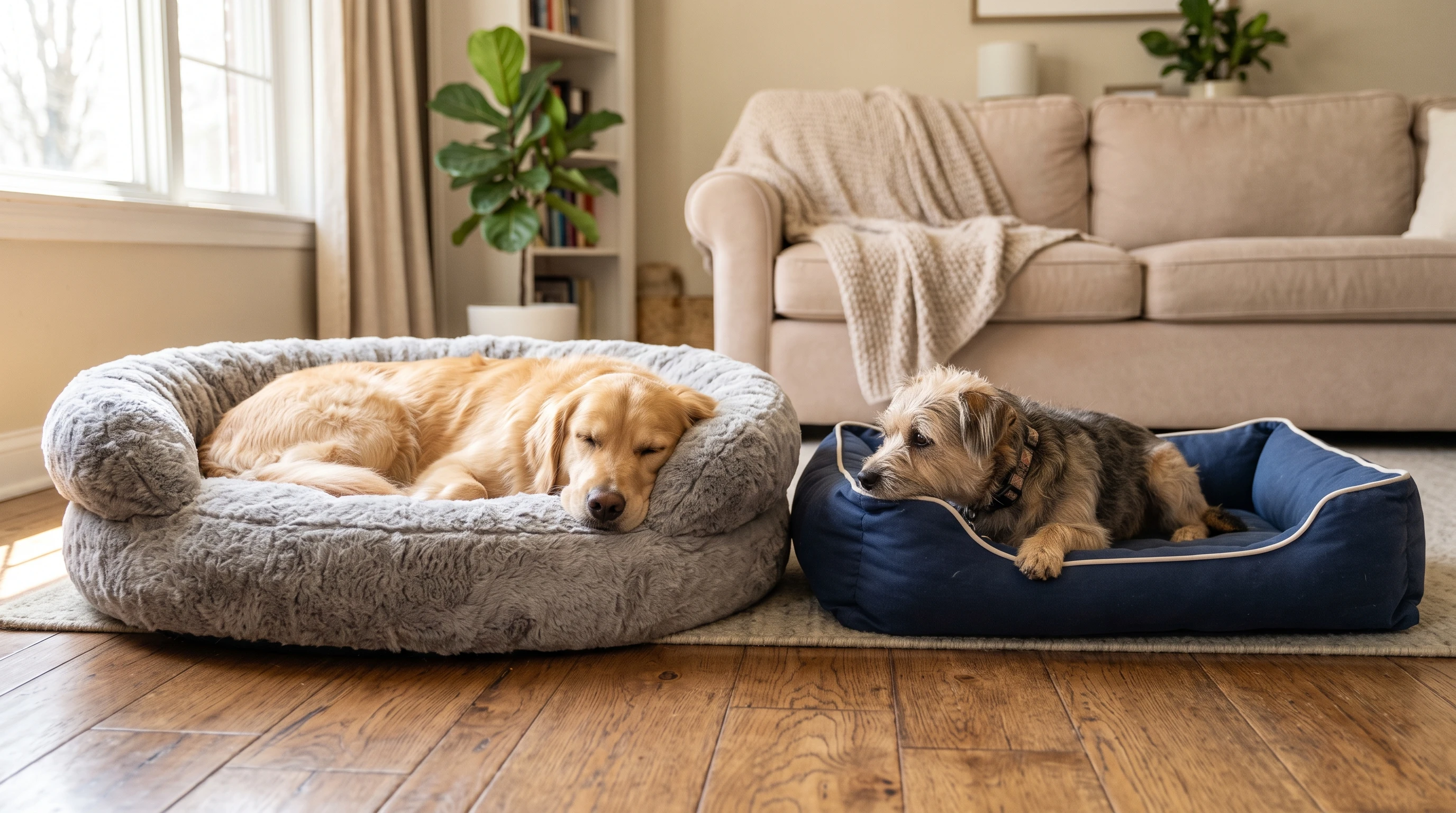
Luxury Vs. Basic Pet Beds: Why the Hype?
The pet bed industry has exploded, with everything from orthopedic memory foam beds to affordable pillow style mats. More pet parents are spending extra to give their dogs and cats a good night’s sleep, and the difference in price between entry level and high end beds can be steep. According to market research, premium pet product sales have spiked as people look to pamper their pets just as much as themselves.
So, what counts as a luxury pet bed? It’s not just about price. Usually, luxury beds come with extra comfort, improved support, and more stylish designs. Basic beds stick to the essentials: softness, warmth, and a place for your pet to curl up. I’ve used both, and the biggest differences usually show up in materials, durability, and small extras like waterproof linings or cooling gel inserts.
Core Features: Comparing Construction and Materials
The main thing that pushes a pet bed into the luxury category is the materials. Here’s a quick breakdown of what you’ll find in each style:
- Basic Pet Beds: Usually made with polyester fill or standard foam, covered in plain fabric. They may be machine washable but don’t always hold up well to frequent cleaning.
- Luxury Pet Beds: Often feature orthopedic memory foam, cooling gel, layered support systems, and super plush coverings like faux fur or suede. These fabrics feel softer and tend to handle more washes. Some even include eco-friendly or hypo-allergenic options.
The difference is noticeable when you touch or even just look at the beds. I can say from experience that luxury beds tend to hold their shape longer, and pets are often drawn back to them after they’ve tried other spots.
Comfort and Support: What Pets Actually Notice
Pets, especially older dogs or cats with joint issues, really benefit from extra support. Here’s how it breaks down:
- Basic beds offer a cushion against the floor but little structure. They’re fine for young, healthy pets, but the filling can flatten out over time.
- Luxury beds usually have thick memory foam or orthopedic bases that support joints and help pets settle in for longer stretches. My senior dog practically refused to use anything but his orthopedic bed after trying it.
Bolstered sides, headrests, and textured surfaces are common on luxury models. These details keep pets comfortable and can even help calm anxious pets by offering a bit of a “nesting” spot.
Not only do these features support better sleep, but they also provide joint relief for pets that need it most—especially in old age or after injuries. I’ve noticed my older pets wake up less stiff and are more willing to nap longer when their bed actually fits their bodies.
Durability and Maintenance: Which Lasts Longer?
I’ve had plenty of dog beds where the cover ripped after a month or the fill bunched up in one corner. Chewing, digging, and repeated washing take their toll. This is where luxury beds usually have the upper hand:
- Basic beds often use thinner fabrics and single seam stitching. They can tear quickly or lose fluffiness after a few washes.
- Luxury beds often have double stitched edges, heavy duty zippers, and removable, machine washable covers. Some even have waterproof liners under the cover for pets with accidents. The luxury beds in my home tend to keep their structure and look like new much longer, even with big dogs flopping on them daily.
If you’re after something that lasts, the upfront cost of a higher end bed might save you money over time. There’s also less frustration when you’re not constantly replacing cheap, worn out beds.
Style & Design: Looks Matter (to Owners, at Least)
For many pet parents, a bed that matches the home decor is a strong selling point. Here’s what the choices usually look like:
- Basic beds are often available in a few standard colors or prints, such as navy blue, brown, or paw print designs. Functional, though not always stylish.
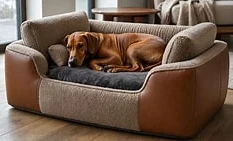
- Luxury beds come in trendy shapes and colors, with designer fabrics and sleek profiles. I’ve seen models resembling mini sofas or daybeds, packed with piping and modern details. These work really well if your pet’s bed is out in the open in a living space.
A fun bonus: some luxury beds let you swap covers, so you can change up styles when you want something new or if laundry day snuck up on you.
Quick Guide: Deciding What Your Pet Needs
If your dog or cat seems to sleep fine anywhere, a basic bed will probably do the trick. But for older pets or breeds prone to joint issues (big dogs like Labs or German Shepherds), the added support of a luxury orthopedic bed makes a real difference.
- Check your pet’s habits: Do they stretch out, curl up, or lean against something while resting? Bolstered beds or longer loungers work well for stretchers. Soft sided “nest” beds are cozy for cuddlers.
- Consider climate and allergies: If your home gets hot in summer, look for cooling gel inserts in a top end bed. For pets with allergies, hypoallergenic materials make a big difference too.
- Factor in size and shedding: Removable covers are great for keeping things neat, especially if your pet sheds a lot or spends time outside.
Challenges: When a Pet Won’t Use Their New Bed
Even after all that research and spending on a top quality bed, some pets just aren’t interested at first. Here’s what I’ve learned works best:
- Place the bed where your pet already likes to hang out. Pets tend to ignore beds set up in new locations.
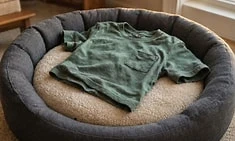
- Add a worn T-shirt or blanket with your scent. This can comfort anxious pets and make the bed feel more familiar.
- Try treats or toys. A favorite chew or snack in the bed can encourage regular use.
With a little patience and encouragement, even the pickiest pets usually come around and make the bed their own spot.
Budgeting for a Pet Bed
Luxury beds can cost anywhere from two to five times as much as basic options. It’s wise to set a comfortable spending limit first, and think about your pet’s age, breed, sleep needs, and activity level. I’ve found value in both basic and luxury beds; sometimes, an extra plush luxury model is worth it for peace of mind and the long use you get. For puppies or kittens that might outgrow a bed fast, you may want to start with a simpler model before upgrading as they mature.
Keeping Things Clean
Messes are cornerstones of life as a pet parent. Beds with removable, washable covers are my favorite since accidents, mud, and fur quickly pile up. Waterproof liners or antimicrobial fabric treatments offer backup protection. If your pet is prone to accidents, double check that any fabric treatments are pet safe and easy to clean.
Cool Extra Features in Luxury Pet Beds
Some luxury models stand out by including things like built in heating pads for winter, moisture wicking layers, orthopedic egg crate construction, or even tech features like climate control. While not every pet will care, these extras are valuable for older dogs or pets with special needs. It’s worthwhile to check out the features that might make the most difference for your pet.
- Heated pads soothe arthritic joints and help pets stay cozy in cold climates.
- Nonslip bases prevent beds from sliding on hardwood floors.
- Customizable support layers allow you to adjust firmness as your pet ages or if preferences change.
Always double check care guidelines for these features, since some aren’t compatible with standard laundering.
Real World Examples: How Different Beds Work for Different Pets
- My senior Beagle needed an orthopedic foam bed to help with her arthritis, and she used her luxury bed far more than the thin, basic mat we started with. Her mobility and comfort noticeably improved when she had proper support.
- My sister’s young and healthy cat seems perfectly content with a cheap donut shaped bed and sometimes even prefers a cardboard box over expensive options. Some pets just like what they like.
- A friend’s high energy puppy quickly destroyed two basic pet beds, leading to an upgrade to a heavy duty, chew resistant luxury model that’s held up much better. Sometimes the extra spend is the only way to win the battle with a tough chewer.
Matching the bed to your pet’s habits, age, and energy level is a smart approach for long-lasting use.
Frequently Asked Questions
Here are some questions I’m often asked about pet beds:
Question: Do luxury beds actually improve my pet’s health?
Answer: While not every pet requires orthopedic foam, extra support can help older animals or those with joint pain. Improvements are particularly visible in mobility and restfulness.
Question: Are luxury beds worth the higher price?
Answer: If durability, washability, and long-term comfort matter, investing in a luxury bed can pay off over time. You save money (and hassle) on not having to buy replacements as often.
Question: How do I know what size bed to buy?
Answer: Measure your pet from nose to tail while they’re relaxed, and add several inches so they can stretch out comfortably. It’s always better to go a bit bigger than too small.
Wrapping Up
Choosing between a luxury and a basic pet bed is about balancing what your pet needs, how easy it should be to keep clean, and what you want to spend. Both give your furry companion a cozy place to lounge, but luxury options add extras that can really benefit pets with sore joints, anxiety, or special sleeping habits. If your budget allows, orthopedic support, tougher materials, and perks like washable covers can be well worth it in the long run.
For those looking to spoil their pets or take the hassle out of daily clean up, luxury beds are a great upgrade. At the end of the day, the right bed is simply the one your pet feels safe, comfy, and content in, and there’s plenty of styles out there to fit every home.