
Training a pet to love a new bed is something I’ve had to figure out a few times myself, and it’s not always as simple as plopping the bed in the living room and hoping for the best. When you get a new bed for your dog or cat, especially if they’re picky or anxious, helping them feel comfy and safe takes a bit of know-how and patience. Here’s my full rundown on the most effective pet training hacks for getting your furry friend curled up and happy in their new spot.
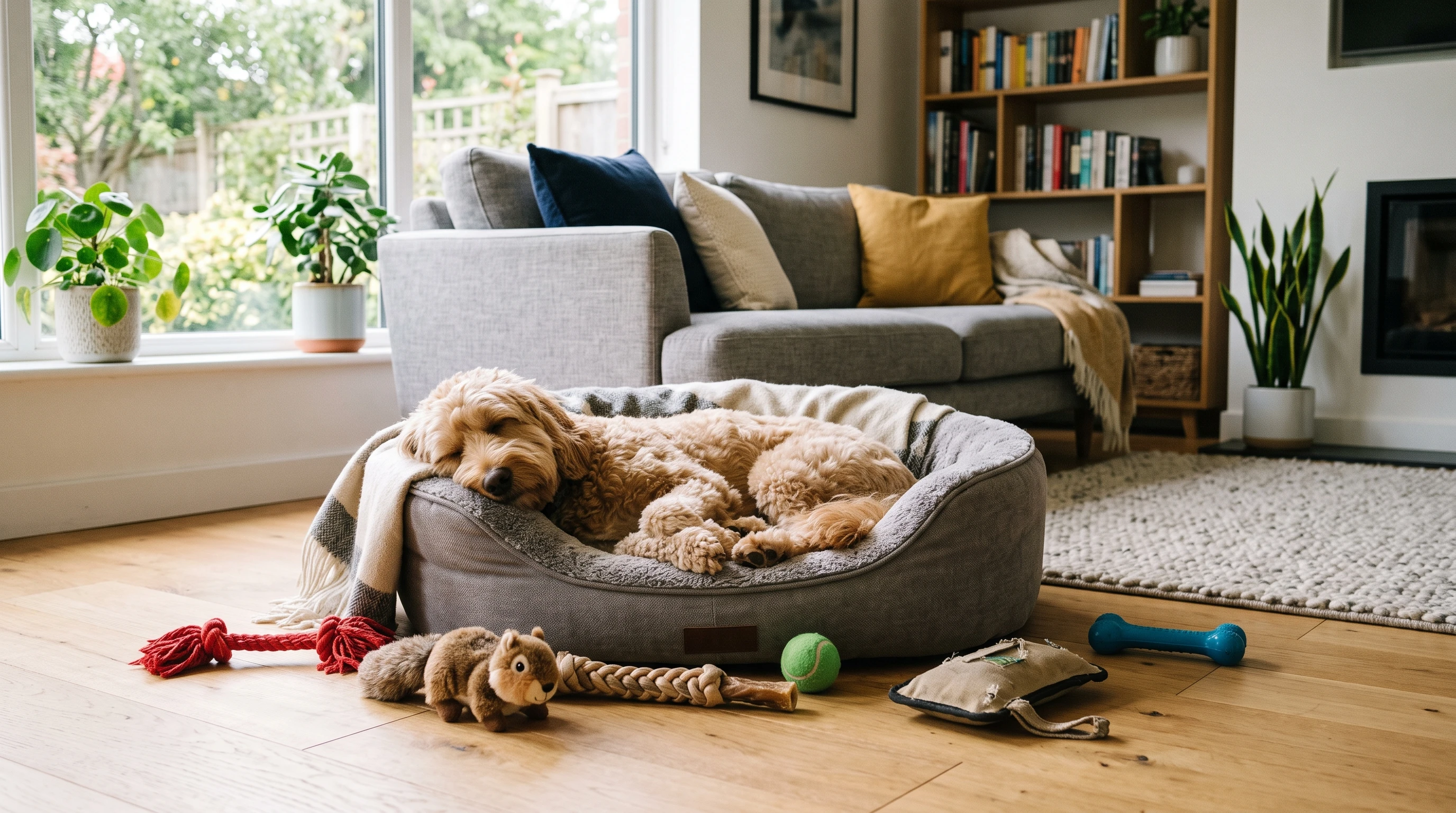
Why Pets Sometimes Ignore New Beds (And What to Know First)
Pets ignore new beds for a bunch of reasons. Some animals just don’t like change; others might be confused by strong odors from manufacturing or laundry detergents. Smaller dogs and cats often want a secure, tucked-away place, while bigger dogs may just need time to adjust. Knowing why your pet acts standoffish helps shape which training hacks to try first.
Pet bed sales in the U.S. topped $1.2 billion in 2023, which shows that plenty of pet owners are looking for better ways to keep their animals comfy. Even with all those cozy beds being made, it’s totally normal for pets to hesitate at first. Getting a pet used to a new bed usually needs some extra incentive, especially if they’ve been sleeping somewhere else for a long time.
Getting Started: Picking the Right Bed for a Smooth Transition
Starting off with the right bed is really important, and it’s not just about how cute it looks. For dogs, orthopedic memory foam can help with achy joints. Cats, on the other hand, might want something with high sides for burrowing. Always take into account your pet’s age, breed, and special needs. Beds that are too big, too small, or have slippery fabric tend to sit unused for weeks.
Make sure the bed is placed properly, next to where you hang out, or in a quiet spot if your pet likes privacy. Avoid areas near noisy appliances or drafty windows—quiet corners usually work best for a smooth transition.
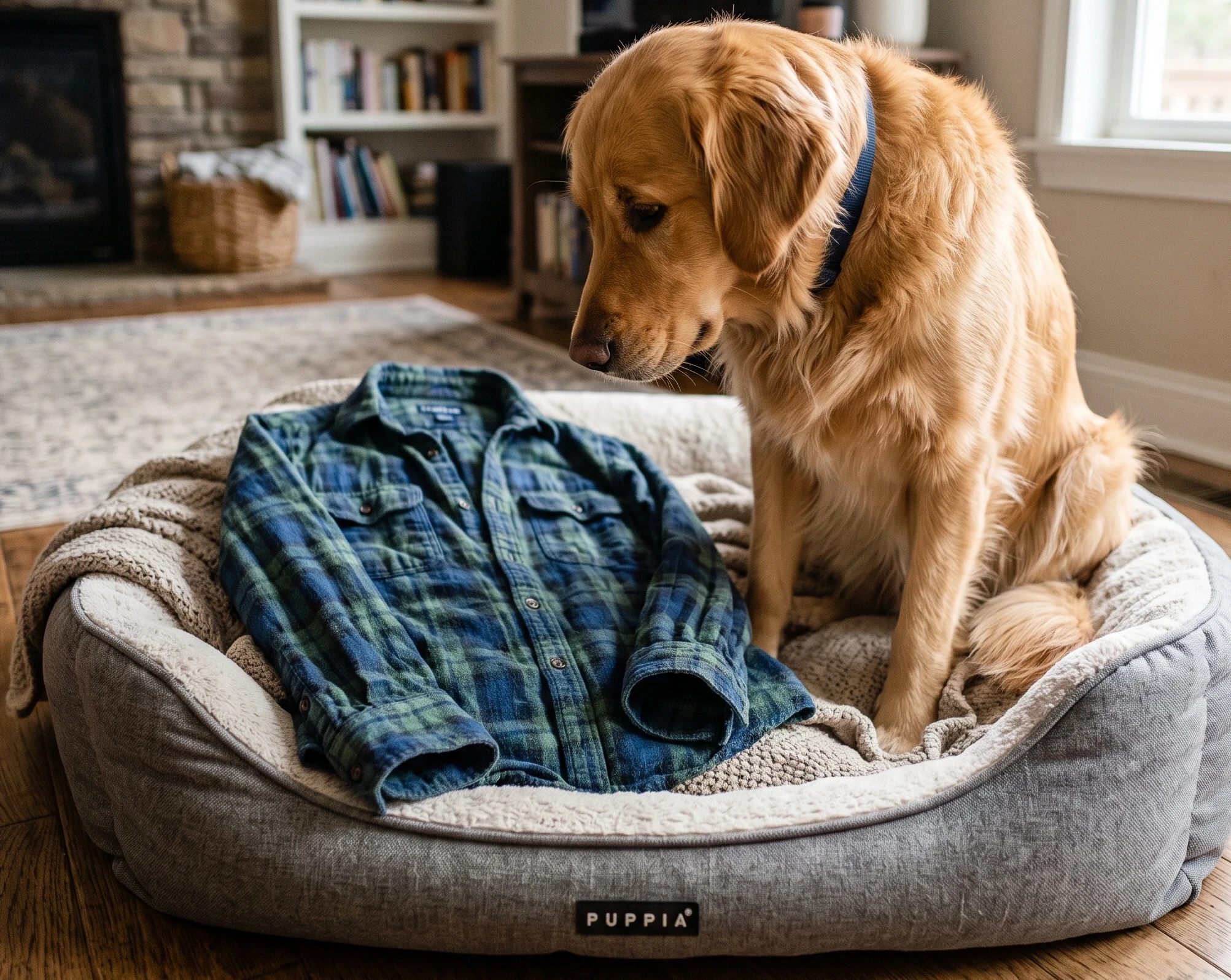
- Scent and Familiarity: If the bed smells unfamiliar, try rubbing your hands or an old t-shirt over it. This mixes your scent in and encourages exploration.
- Support and Safety: Look for beds with padded edges, nonslip bottoms, and chewresistant covers for pets that get anxious or destructive.
- Wash Before Use: Some pets refuse a new bed until it smells more like home. Running the cover through a scent-free laundry helps a lot.
Step-by-Step Hacks to Help Your Pet Love Their New Bed
Getting a pet to use their new bed often comes down to gentle encouragement paired with a few creative tricks. Here’s what I’ve found works well:
- Lead With Treats or Favorite Toys: Toss a couple of treats or your pet’s favorite toy onto the bed to spark curiosity.
- Use Positive Reinforcement: Every time your pet even sniffs or steps on the bed, reward them. Celebrating the small moments makes them feel good about the bed.
- Try Short Sessions: Ask your dog to “go to your bed” for a few minutes at a time and reward with a treat or some enthusiastic praise.
- Feed Near or On the Bed: Feeding meals on or near the bed creates a positive connection.
- Lay Down With Them (If Possible): For dogs, sometimes sitting on or next to the bed with them helps create that cozy vibe.
- Keep Old Blankets: Add a favorite blanket or pillow from their old sleeping spot, so it feels more like their space.
- Patience Matters: It can take days or even weeks for some animals to make the switch. Don’t rush; they’ll get there.
Common Challenges and How to Manage Them
Even with good planning, a few problems can pop up along the way. Here’s how I deal with the most common issues:
- Bed Chewing: Some pets try to “remodel” their bed by chewing the corners. Distract with chew toys and praise calmly when they choose the toy over the bed.
- Nervousness: A pet who’s nervous about their new bed probably needs extra reassurance. Gentle petting, quiet music, and hanging out in the room with them help build comfort.
- Competition in Multipet Homes: If you have more than one animal, expect some turf wars. Try placing multiple beds in different spots and reinforce when each pet uses “their” space.
- Ignoring the Bed Completely: If your pet acts like the bed is invisible, just keep mixing your scent in, adding treats, and rotating blankets. Sometimes moving the bed to a new spot sparks more interest.
Bed Chewing
I’ve definitely seen puppies and young dogs try to make a project out of any new bed. You want to keep redirection gentle and positive, never scold. Offer a safer chew option nearby and reinforce when your pup settles calmly.
Extreme Picky Behavior
Some pets really are just picky. If nothing works, check for any hidden issues. Sometimes the bed is too hot, too cold, or resting on a noisy floorboard. Experiment with moving it or swapping covers.
Training Upgrades: Advanced Tricks to Make the Bed Irresistible
Once your pet is partway there, a few next level tactics can help them really make the bed their own. Here are some specialized tips:
“Place” Command for Dogs: Teaching your dog the “place” or “bed” command makes life easier when guests visit or you need a calm space.
How to Use It: Ask your dog to “go to bed” and reward every time they follow through. Over several days, they’ll start heading to their bed when tired or looking for a treat.
Catnip or Silvervine for Cats: Sprinkling catnip or silvervine on the new bed often brings even shy cats around. You can also try interactive play close by.
Rotating Beds: If your pet is especially picky or lives in a busy house, keeping two beds in different locations gives them options. Many pets love to have a choice of napping spots. Rotating the beds between sunny and quiet spots can provide comfort and variety.
Advanced training is really about making the new bed the center of all good things, like praise, play, snacks, and quiet time. If you’re patient and relaxed about it, most pets follow your lead and settle in faster than you’d expect.
What to Look for in a New Pet Bed (Practical Tips)
Choosing a bed that actually fits your pet’s needs goes a long way toward a smooth transition. Here are my favorite practical picks:
- Memory Foam: Super comfy for older dogs or those with joint issues.
- Bolster or High Sides: Great for anxious pets and cats who want something to snuggle against.
- Easy Wash Covers: You’ll thank yourself later; pets get messy!
- Nonslip Base: Helps keep the bed from moving when pets jump in and out.
Some brands even offer heated beds or ones you can tuck into a crate for extra versatility. Always check reviews and look for safety certifications if your pet likes to chew.
On top of that, consider the filling. Beds with shredded foam or thick batting keep their shape longer, while those with a waterproof liner are a lifesaver for pets prone to accidents. If you have a big dog or an older cat, orthopaedic beds are fantastic for comfort. Younger pets, meanwhile, often like doughnut-style designs that let them curl up tight.
Frequently Asked Questions
These are probably the biggest questions I hear from fellow pet owners dealing with bed training:
How do I get my stubborn pet to use the new bed?
Start by making the bed smell like home and rewarding every tiny sign of interest. Patience (and a little bribery) are your best bets.
Can I machine wash any pet bed?
Double-check the care label! Removable covers are much easier to manage. If the whole bed isn’t machinewashable, try vacuuming and using a pet-safe deodorizer in between washes.
What if my cat keeps sleeping in boxes or laundry and ignores the bed?
Cats will always be cats. Try beds that mimic boxes (with high sides) or add their favorite blanket to the new spot. Some cats warm up faster than others.
Final Thoughts
Training a pet to get cozy in a new bed is really about creating connections, linking the bed with your scent, their rewards, and the good things that happen while they’re there. A little patience, the right rewards, and making adjustments based on your pet’s unique quirks really speed things along. I’ve seen plenty of skeptical pets turn into bed lovers, and yours will probably do the same with a few treats and time.
Enjoy those happy, sleepy faces and extra snuggle time. It’s one of the best parts of being a pet parent.