
Picking the perfect bed size for your pet isn’t always as straightforward as it looks. Whether you have a tiny kitten, a chunky bulldog, or a longlegged hound, the right bed can make a huge difference in your pet’s comfort and health. I’ll take you through what to look for, some things you might not have thought about, and real-life tips to help you choose the most comfortable spot for your furry friend to snooze.
Why Pet Bed Size Really Matters
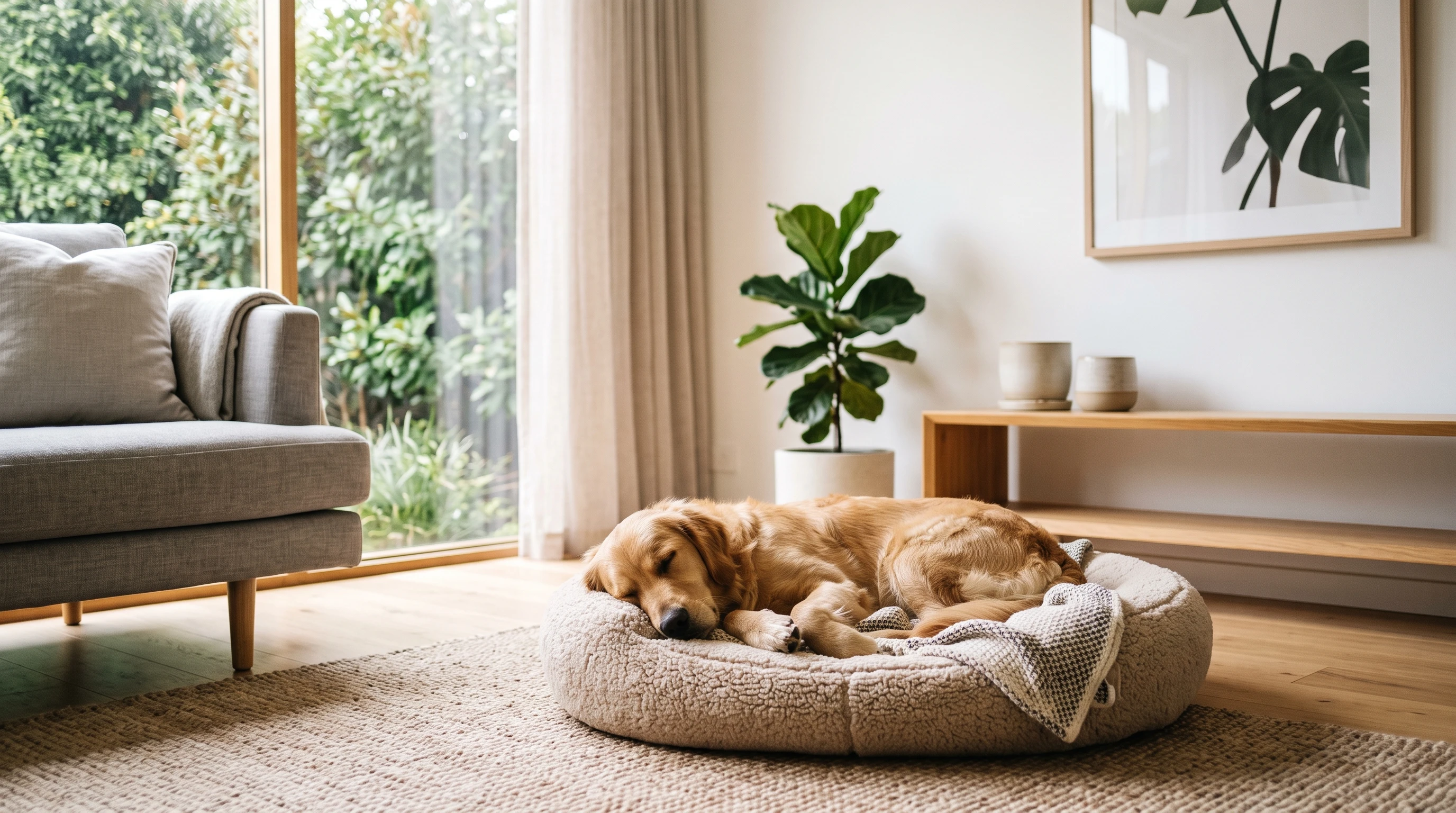
Your pet’s bed isn’t just a place for them to flop; it can actually affect their sleep quality, joint health, and overall happiness. Too small, and pets might hang off the side or squish themselves awkwardly. Too big, and they might not feel as cozy or secure as they’d like. I’ve learned that getting the sizing right can help with everything from keeping fur off your furniture to supporting pets with arthritis as they age.
Lots of brands offer beds for every size and breed, but the huge variety can feel a bit overwhelming. According to the American Kennel Club, dogs actually spend about half their day sleeping, and cats sometimes sleep for two-thirds of theirs. So, finding the right fit means your pet gets the best rest possible, and you get fewer midnight interruptions.
Measuring Your Pet for the Perfect Fit
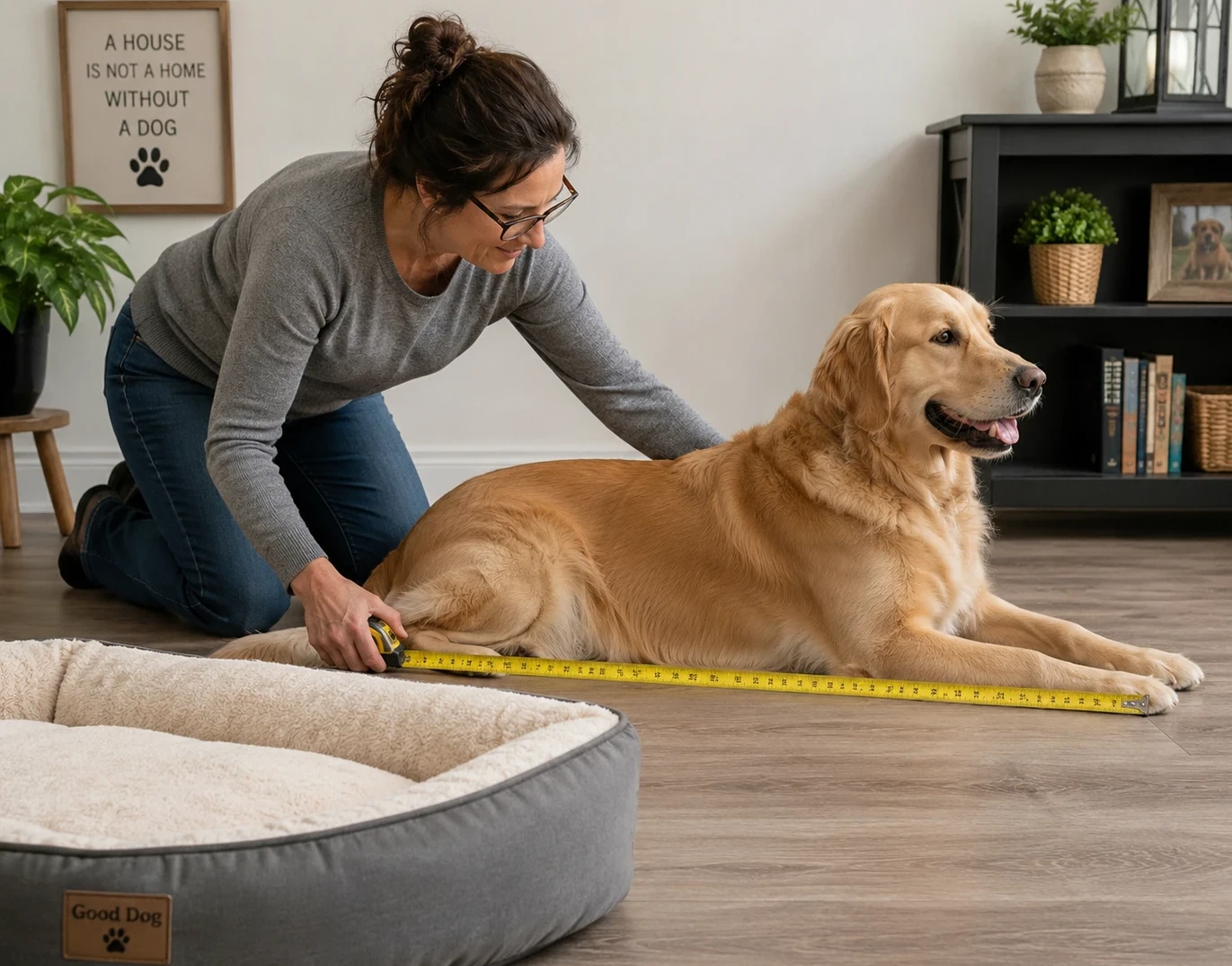
Grabbing a tape measure might sound basic, but knowing your pet’s true stretched-out size is the best way to start. Here’s what’s worked for me and my own pets:
- Stretch-Out Measurement: Measure your pet from the tip of their nose to the base of their tail while they’re sleeping flat out. Add 6, 12 inches to this number to give them room to move.
- Curl-Up Measurement: If your cat or dog prefers curling up, measure them while they’re tucked into their favorite sleeping position. For pets that love curling, round beds or beds with bolstered sides are usually a hit.
- Weight and Breed: Some beds list sizing recommendations by breed or weight, which can help, but always match this to your own measurements just to be sure.
This quick check saves time and avoids those return shipping hassles later on. Not only does this simple measuring process help pick a bed that truly fits, but it can also alert you to any changes in your pet’s size, which might be a sign of health changes. You can use this as an extra caring step for your pet’s well-being.
Choosing Bed Shapes and Styles by Sleeping Preferences
Pets have sleeping quirks just like we do. Some sprawl out like starfish, while others curl into tight little balls. Different bed shapes suit different sleeping styles, so knowing your pet’s routine makes picking much easier:
- Flat Mattress Beds: Great for loungers that like to spread out. These come in rectangular and oval shapes, fitting easily in crates or open floor spots.
- Bolster Beds: If your pet likes to nestle or rest their head on something, these beds with supportive edges are super useful. My older dog loves resting his chin on the side while still stretching his legs.
- Donut or Cuddle Beds: If you have a cat or a nester dog, these extra plush, deep beds let them curl up securely.
- Orthopedic Beds: Designed for pets with joint pain or older animals. These usually offer firm, supportive foam to ease pressure points, and they’re worth a look if your pet is slowing down or stiff after naps.
Paying attention to how your pet likes to sleep guides you in choosing not just the size, but the style that’ll keep them cozy. Some animals switch up their sleeping positions with the seasons, so keep an eye out for shifts in their habits as you choose.
Factors Pet Owners Should Think About Before Buying
There’s more to picking a pet bed than just size. Here are a few things I check before hitting “add to cart”:
- Room Placement: Measure the spot where you want to put the bed. Pets aren’t the only ones who need a good fit. Factor in enough space for traffic flow and nearby furniture, so everyone can move about comfortably.
- Washing and Durability: Go for beds with removable and washable covers. It’s super practical for muddy paws or accidents, especially for puppies or older pets.
- Material and Allergies: Some pets have sensitivities to certain fabrics or fillers. Double-check materials if your pet tends to itch or sneeze a lot.
- Growing Pets: If you’re shopping for a puppy or kitten, consider their adult size. Sizing up might save money long term, though you’ll want the bed to still feel snuggly in the meantime.
- Multiple Pets: If you’ve got a household zoo, some animals love sharing while others want their own space. I’ve learned the hard way that buying two beds is sometimes better than patching things up over a nightly turf war.
Washing and Durability
Speaking from experience, a bed that’s easy to clean is always worth it. Even dogs who barely shed or indoor cats can make a mess. Removable covers toss right in the wash, and waterproof liners help with spills. This convenience can save you so much time, especially when dealing with young or playful pets who are more likely to create a mess.
The Importance of Support
Good support matters for long-term joint health. Beds with orthopedic foam or memory foam padding offer extra comfort for older pets or breeds prone to hip or joint problems. You really notice the difference when pets hop up well-rested rather than stiff or achy. If your pet loves to jump off furniture or is especially active, a supportive bed can help ease up possible soreness.
Growing and Changing Needs
Puppies, kittens, and even some adult dogs will outgrow their first bed pretty quickly. Adjustable beds or styles that work across life stages can be a smart buy, especially for larger breeds who might double or triple in size over a year. If your pet is hitting a growth spurt, it might even make sense to pick a bed that’s a bit roomy at first and fill it with soft blankets until they fill out. As pets age, their preferences and health conditions may change, so reassessing bed type as time goes on is a thoughtful choice.
Pet Bed Sizing Guide: Quick Steps to Pick The Right Bed
- Measure Your Pet: Get that length and width, and add several inches for wiggle room.
- Pick A Style: Mattress, bolster, or donut? Base this on your pet’s favorite sleeping position.
- Match Bed Size To Your Space: Make sure it fits comfortably where you’ll put it.
- Choose Durable, Washable Materials: You’ll thank yourself later for this one.
- Factor In Health and Age: Arthritis, joint pain, or allergies should guide your choices toward orthopedic or hypoallergenic materials.
These simple steps help cut through the hundreds of options online. If your pet has special needs or unique habits, consider asking your vet for advice about bed features that can really give a boost to their comfort.
Size Charts: Handy Reference for Common Breeds
If you’re looking for a starting point, many brands offer size charts by breed type. Here’s a rough guide I’ve found pretty handy, but remember, your own pet’s measurements trump breed averages:
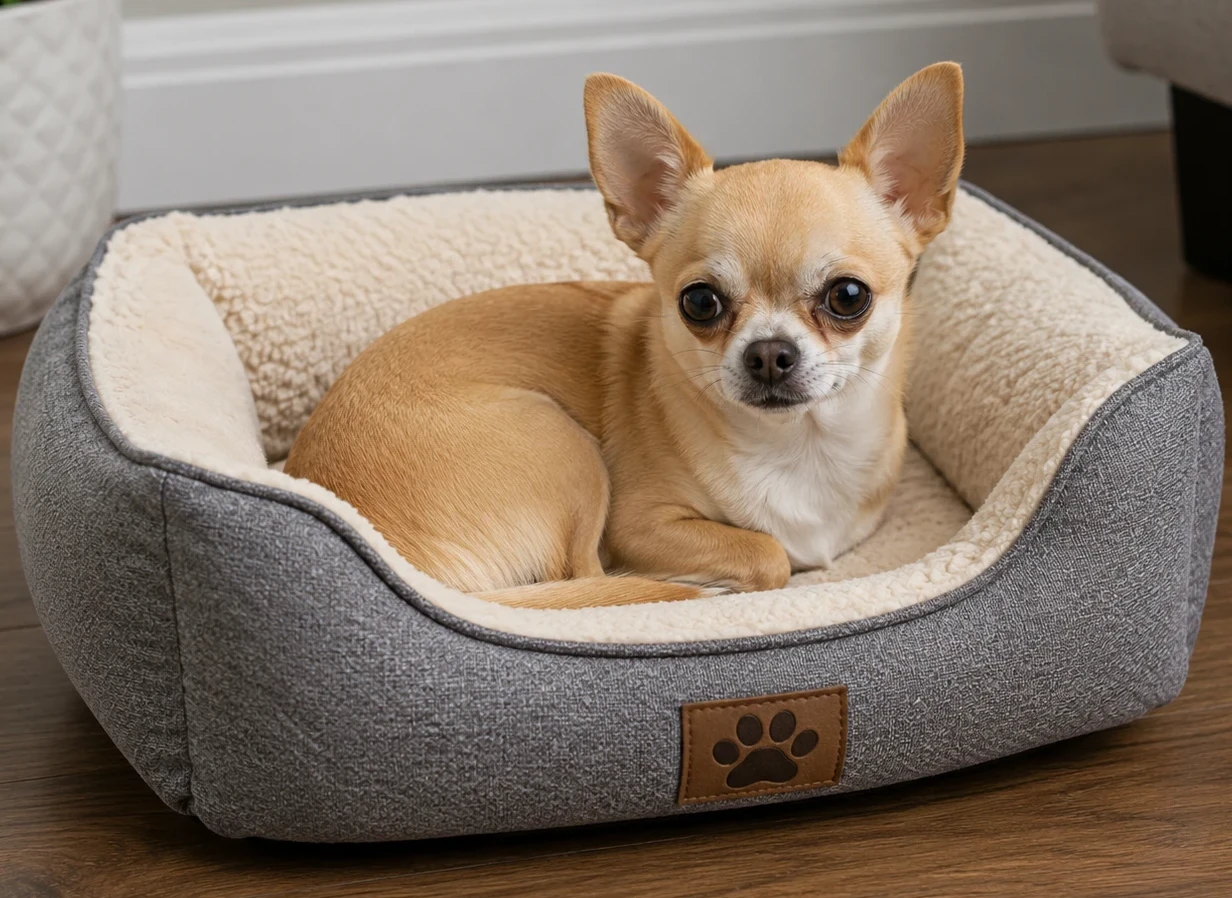
- Small beds (18-24 inches): Chihuahuas, Maltese, Cats, Toy breeds
- Medium beds (24-36 inches): Beagles, Corgis, French Bulldogs
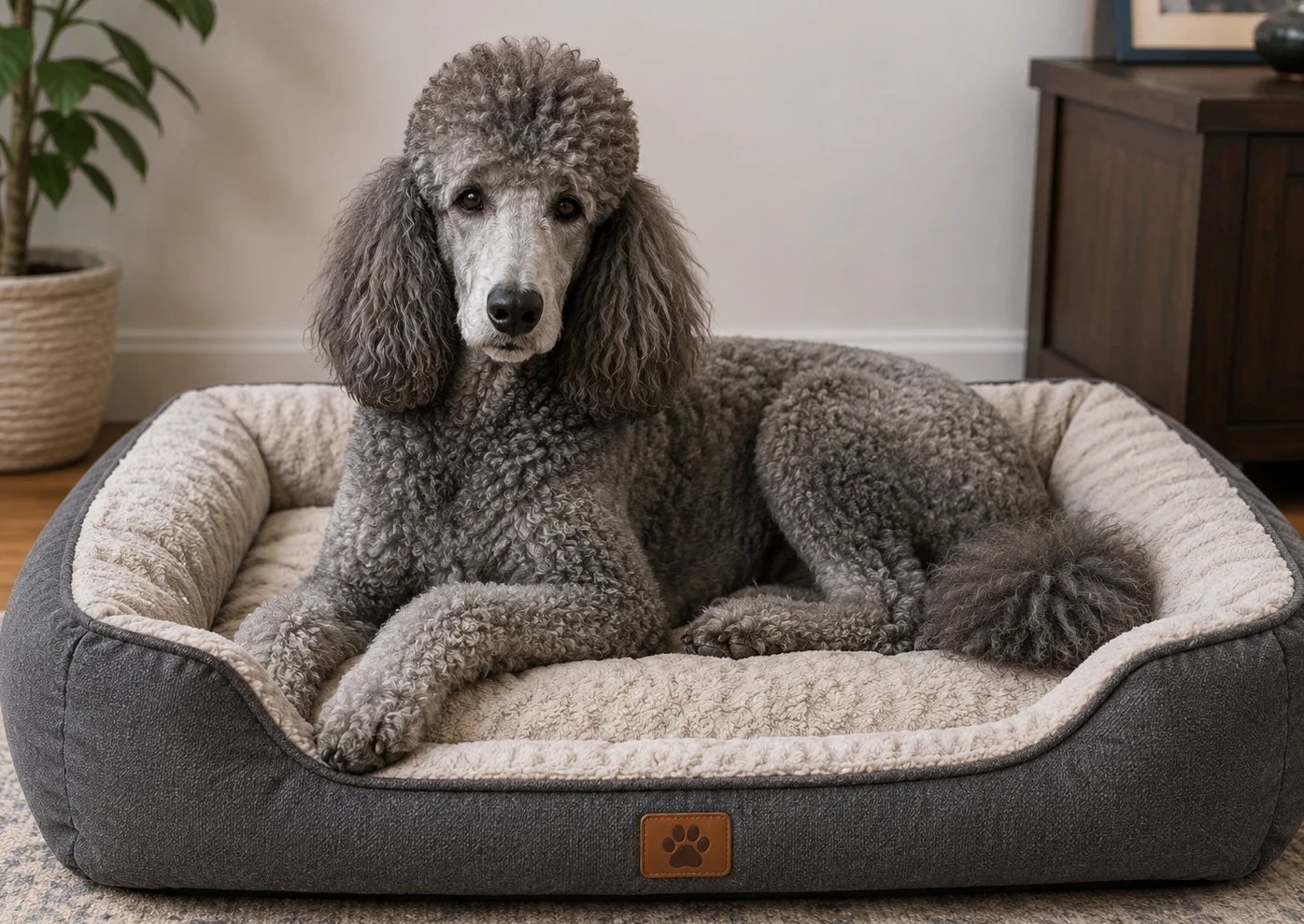
- Large beds (36-42 inches): Labradors, Golden Retrievers, Standard Poodles
- Extra large beds (42+ inches): German Shepherds, Great Danes, Mastiffs
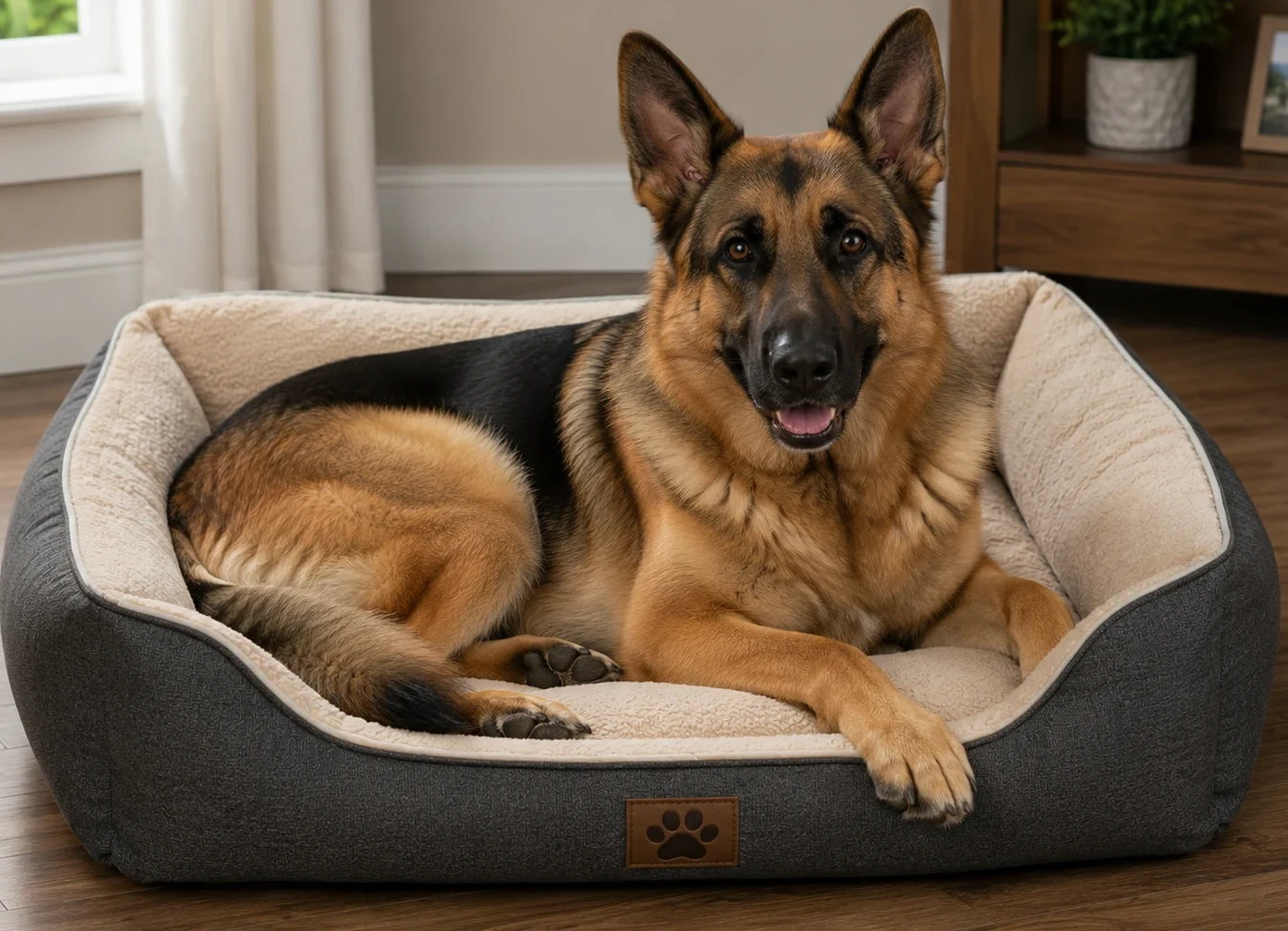
For mixed breeds or pets on the edge between sizes, larger is usually a safer bet if you have room. This is especially true for pets that alternate between sprawling and curling up.
Advanced Tips for Getting the Most Out of Your Pet’s Bed
Once you’ve nailed the basics, a few extras can make pet bedtime even cozier and cleaner:
- Switch Out Covers: Extra covers mean you always have a clean backup, especially during shedding season or after trips to the park.
- Add A Blanket: Some pets love burrowing, and a blanket gives them the option without needing a totally different bed.
- Keep It Off The Floor: For cold tile or drafty floors, look for beds with a thicker base, or slip a nonslip mat underneath.
- Rotate Or Sun-Dry: Rotating the bed and letting it air outside helps prevent odors and keeps the bed fresh. Just remember to keep the bed out of direct, intense sunlight, as that can break down materials quicker over time.
I’ve noticed these tweaks help keep both the bed and the pet in better shape through the years. It also helps your home stay tidier and keeps pet hair concentrated in one easy-to-clean spot.
Examples: Matching Bed Sizes to Real-Life Pet Scenarios
- City Apartment Cat: In a studio apartment, a medium donut bed fits on a windowsill for sunbathing without hogging floor space.
- Active Older Dog: A large orthopedic mattress near the sofa gives support for achy joints but enough room to stretch out, keeping them close at family hangouts.
- Puppy With A Growth Spurt: Using a bolster bed one size up lets your pup grow into it and shares space with a plush toy for extra comfort during the early months.
Each scenario can serve as inspiration for your own situation, helping you picture how bed size, shape, and pet habits come together in real homes. This way, you get a sense of how choices might play out in your living space.
Frequently Asked Questions
Here are some questions pet owners often ask:
Question: Can a bed be too big for my pet?
Answer: Large beds work for most pets, but some, especially cats and smaller dogs, may prefer cozier spaces that help them feel secure. If in doubt, go for one size up but look for beds with raised sides.
Question: How often should I replace my pet’s bed?
Answer: If the bed is flattening out, smells won’t come out, or your pet seems restless, it’s probably time for a new one. Most beds last a year or more with regular washing, but high-energy pets or longhaired breeds might need replacements sooner.
Question: Are there special beds for pets with allergies?
Answer: Yes, some beds use hypoallergenic fabrics and fillings, which can help pets with sensitivities. Look for covers marked as hypoallergenic and wash them often to keep allergens down.
Final Thoughts on Picking The Right Bed Size
Choosing your pet’s bed size isn’t just about measurements. It’s about how they nap, their health, and what works for your home. The right fit helps support your pet’s sleep, keeps them comfy, and can ease health issues as they age. Taking a little extra time to double-check your choices pays off every night when you see your pet snoozing happily in their perfect spot.
With these tips, shopping for a pet bed feels a lot more manageable, and your furry friend gets a cozy upgrade!